Loading...
Insider
New Experience
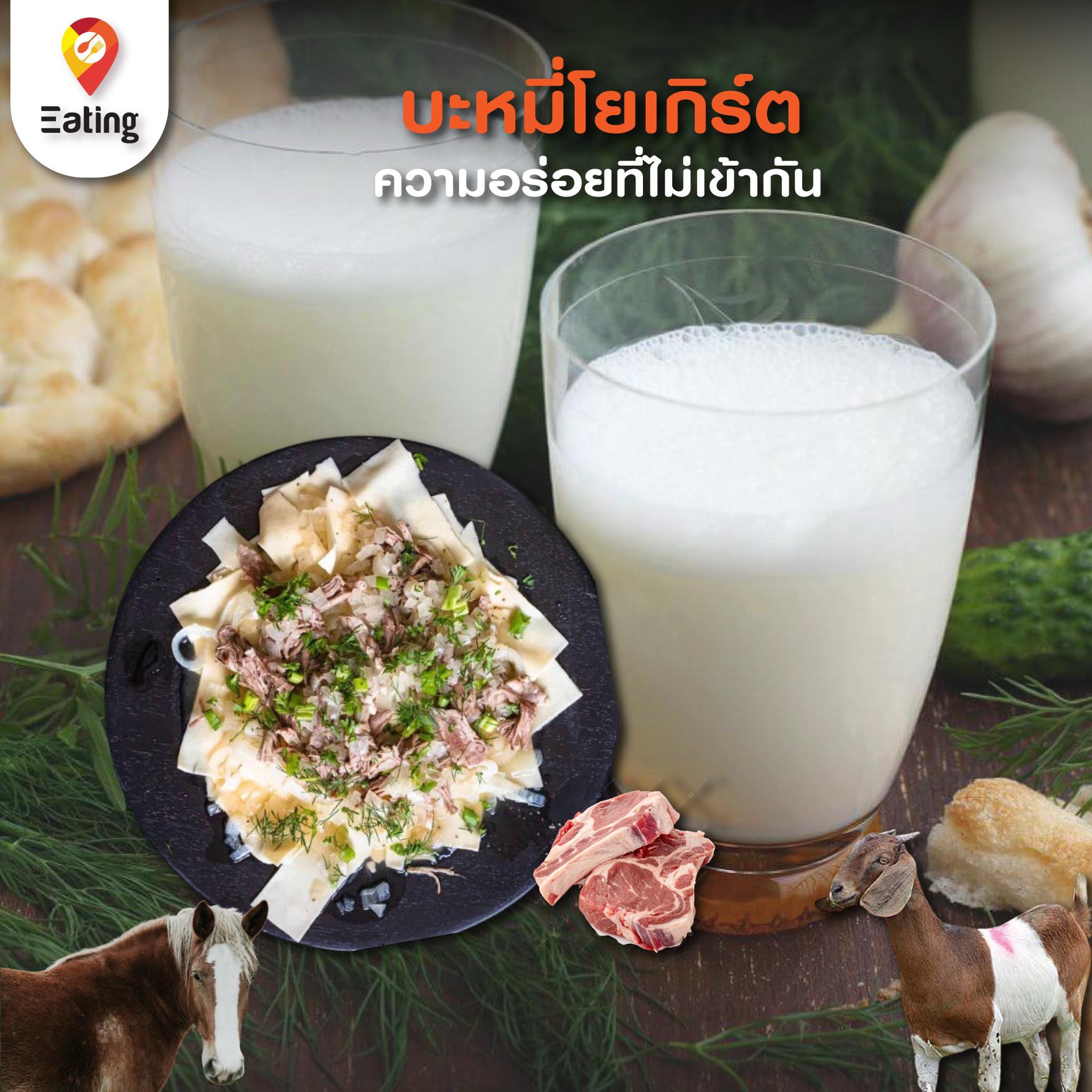
บะหมี่โยเกิร์ต ความอร่อยที่ไม่เข้ากัน
“บะหมี่โยเกิร์ต” ของคาซัคสถานเป็นหนึ่งในอาหารพื้นบ้านที่สะท้อนวิถีชีวิตและภูมิปัญญาของชนเร่ร่อนในดินแดนเอเชียกลางได้อย่างลึกซึ้ง อาหารชนิดนี้เกิดจากการผสมผสานระหว่างวัตถุดิบหลักสองอย่างที่เป็นหัวใจของชีวิตชาวคาซัค ได้แก่ “แป้ง” ซึ่งทำเป็นเส้นบะหมี่ทำมือที่เรียกว่า Kespe และ “นมหมัก” หรือโยเกิร์ตเปรี้ยวเข้มข้นที่เรียกว่า Qatiq หรือ Ayran ทั้งสองอย่างนี้เป็นอาหารที่เก็บไว้ได้นาน เหมาะกับวิถีชีวิตของผู้คนที่ต้องอาศัยอยู่ในทุ่งหญ้ากว้างใหญ่ เดินทางไปกับฝูงสัตว์ และต้องการอาหารที่ให้พลังงานสูงในสภาพอากาศหนาวจัด บะหมี่โยเกิร์ตจึงไม่ใช่แค่อาหารอิ่มท้อง แต่ยังสะท้อนแนวคิดเรื่องความสมดุลของธรรมชาติ เพราะในมุมมองของชาวคาซัค “เนื้อและน้ำซุป” ถือเป็นสิ่งที่ให้พลังความร้อน ขณะที่ “โยเกิร์ตหมัก” เป็นของเย็น เมื่อรวมกันจึงกลายเป็นความสมดุลระหว่างร้อนกับเย็น เหมือนการเชื่อมโยงของไฟและน้ำตามความเชื่อดั้งเดิม เมนูนี้มักทำในโอกาสพิเศษ เช่น งานรวมญาติหรือเทศกาลฤดูหนาว รสชาติของบะหมี่โยเกิร์ตออกเปรี้ยวเค็มมัน มีความหอมของหัวหอมทอดและเนยละลาย กินแล้วทั้งอุ่นท้องและสดชื่นในเวลาเดียวกัน ความแปลกของเมนูนี้อยู่ที่การใช้โยเกิร์ตราดบนเส้นบะหมี่และซุปเนื้อ ซึ่งต่างจากภาพจำของ “โยเกิร์ต” ที่มักถูกมองว่าเป็นของหวานในวัฒนธรรมตะวันตก แต่ในคาซัคสถาน โยเกิร์ตคือส่วนหนึ่งของอาหารคาวแทบทุกมื้อ บะหมี่โยเกิร์ตจึงเป็นตัวแทนของการใช้วัตถุดิบพื้นฐานอย่างเรียบง่ายแต่เปี่ยมด้วยความหมาย ทั้งสะท้อนความชาญฉลาดของผู้คนที่รู้จักดึงรสชาติจากธรรมชาติรอบตัวมาสร้างอาหารที่ให้ทั้งพลังและความอบอุ่นใจในถ้วยเดียว
.
Kazakhstan’s “yogurt noodles” is a traditional dish that perfectly reflects the nomadic heritage and culinary wisdom of Central Asia. This unique food combines two of the most essential ingredients in Kazakh life: Kespe—handmade flat noodles made from flour, water, and eggs—and Qatiq or Ayran, a tangy fermented milk similar to yogurt. Both ingredients were staples among nomads who roamed the vast steppe, relying on livestock for milk and meat while needing food that could last long and provide high energy in harsh, cold climates. More than just a meal, yogurt noodles embody the Kazakh philosophy of balance. In their belief, “meat and broth” symbolize warmth and energy, while “fermented milk” represents coolness and calm. When served together, they form a harmony between hot and cold, fire and water—mirroring the natural balance that guided nomadic life. Traditionally, this dish is served during family gatherings or winter festivals. Its flavor is pleasantly complex—savory and slightly sour with hints of butter and fried onions, creating both warmth and refreshment in a single bowl. What makes this dish truly remarkable is its unconventional use of yogurt in a savory soup, contrasting with the Western idea of yogurt as a sweet dessert. In Kazakhstan, fermented dairy is a cornerstone of everyday cuisine. Thus, yogurt noodles stand as a symbol of simplicity and ingenuity—a dish born from the landscape itself, carrying the taste of the steppe and the spirit of a people who learned to thrive in balance with nature.