Insider
New Experience
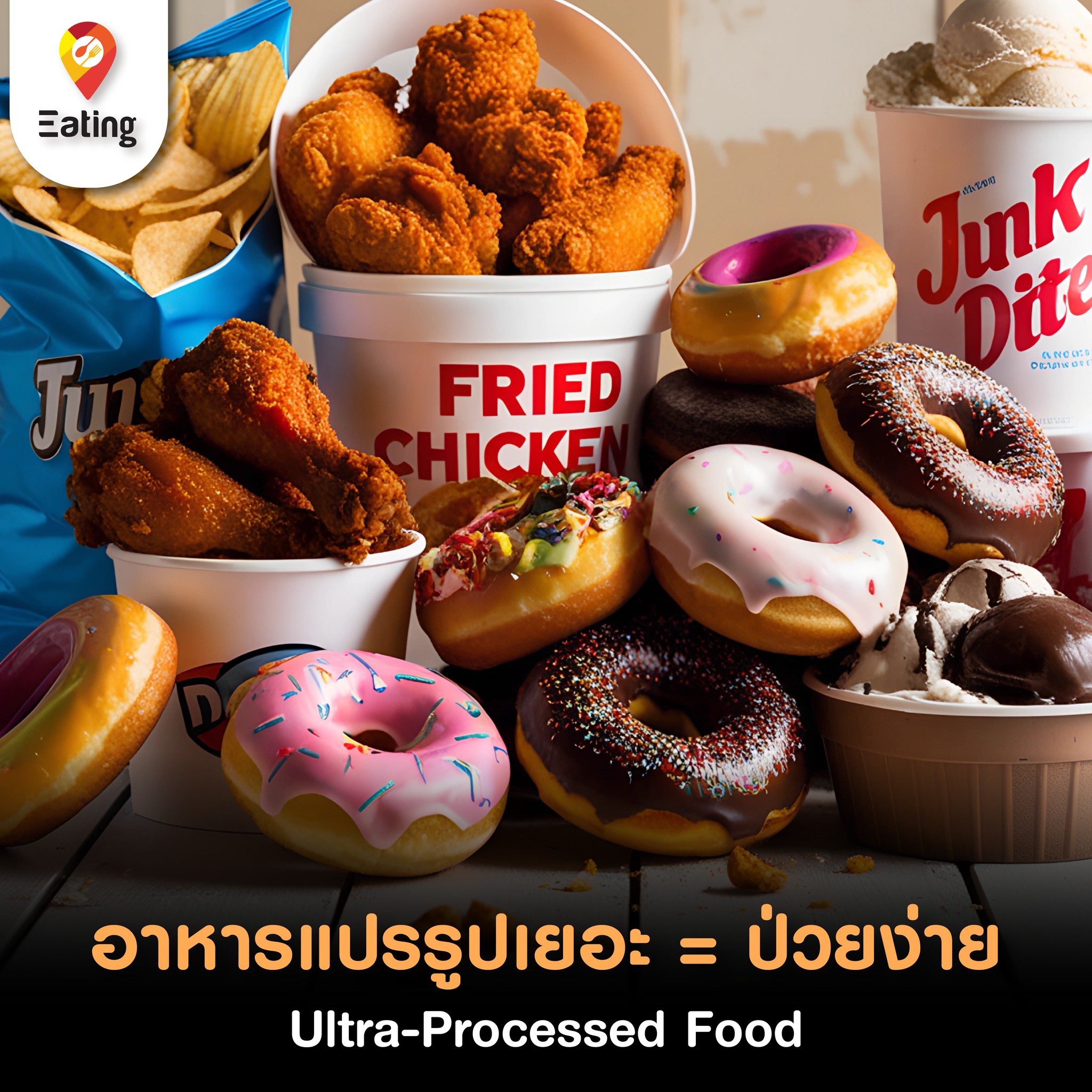
อาหารแปรรูปเยอะ=ป่วยง่าย
Ultra-Processed Food
อาหารแปรรูปขั้นสูง หรือ Ultra-Processed Food (UPF) คือกลุ่มอาหารที่ผ่านการผลิตด้วยกระบวนการทางอุตสาหกรรมหลายขั้นตอนจนแทบไม่เหลือสภาพเดิมของวัตถุดิบ เป็นอาหารที่มักเติมสารปรุงแต่ง สี กลิ่น รส และวัตถุกันเสีย เพื่อให้เก็บได้นานขึ้น ดูน่ากินขึ้น และสะดวกต่อการบริโภค หลายคนอาจไม่รู้ว่า UPF แฝงตัวอยู่ในชีวิตประจำวันแทบทุกมื้อ ตั้งแต่ขนมปังแผ่นนุ่มๆ เครื่องดื่มหวานๆ ซีเรียลกล่อง ไปจนถึงของว่างบรรจุซองที่เราหยิบกินระหว่างวัน ทั้งหมดนี้กำลังเป็น “ภัยเงียบ” ที่บ่อนทำลายสุขภาพอย่างไม่รู้ตัว
.
สิ่งที่ทำให้ Ultra-Processed Food อันตรายมาก ไม่ได้มีแค่ปริมาณน้ำตาล ไขมันทรานส์ หรือโซเดียมที่สูงจนเกินพอดี แต่เป็นเพราะการเปลี่ยนแปลงทางโครงสร้างของอาหาร ซึ่งร่างกายไม่สามารถรับมือได้เหมือนอาหารธรรมชาติ การบริโภค UPF มากเกินไปเชื่อมโยงกับโรคเรื้อรังหลากหลาย เช่น โรคหัวใจ เบาหวานชนิดที่ 2 มะเร็งบางชนิด โรคอ้วน และแม้แต่ปัญหาสุขภาพจิตอย่างภาวะซึมเศร้าและวิตกกังวล นักวิจัยหลายคนยังตั้งข้อสังเกตว่า สารปรุงแต่งบางชนิดใน UPF เช่น สารกันบูด สีสังเคราะห์ หรืออิมัลซิไฟเออร์ อาจมีผลรบกวนระบบฮอร์โมนและจุลินทรีย์ในลำไส้ ซึ่งเป็นศูนย์กลางของภูมิคุ้มกันและสุขภาพสมอง
.
ที่ร้ายกว่านั้น UPF ถูกออกแบบมาให้ “อร่อยเกินจริง” จนเราติดใจโดยไม่รู้ตัว รสชาติหวาน มัน เค็มที่ถูกปรับแต่งอย่างพอดิบพอดี กระตุ้นสมองส่วนที่เกี่ยวกับความพึงพอใจ ทำให้ยิ่งกินยิ่งอยาก ซึ่งนี่คือสาเหตุว่าทำไมการลด UPF ถึงทำได้ยาก แม้จะรู้ว่ามันไม่ดีต่อสุขภาพ
.
สิ่งสำคัญที่ควรระวังคือ Ultra-Processed Food ไม่ได้หมายถึงอาหารแปรรูปทั่วไปอย่างผักแช่แข็งหรือเนื้อสัตว์บด เพราะอาหารแปรรูปแบบพื้นฐาน (Processed Food) ยังใกล้เคียงธรรมชาติ เพียงแค่ผ่านการทำความสะอาด ตัดแต่ง หรือบรรจุเพื่อยืดอายุ ต่างจาก UPF ที่มักมีส่วนผสมทางเคมีจำนวนมากและผ่านการปรับเปลี่ยนจนอาหารแทบไม่เหลือสารอาหารดั้งเดิม
.
ถ้าไม่อยากตกเป็นเหยื่อของภัยเงียบนี้ ทางออกคือการเลือกอาหารที่ “เต็ม” หรือ Whole Food ให้มากขึ้น เช่น ผัก ผลไม้ ถั่ว ธัญพืชไม่ขัดสี และอาหารที่คุณรู้จักแหล่งที่มา เน้นทำอาหารเองเพื่อลดการพึ่งพาอุตสาหกรรม แม้จะไม่ง่ายในโลกที่ UPF อยู่รอบตัวเรา แต่ทุกคำที่คุณเลือกกิน คือการลงทุนระยะยาวเพื่อสุขภาพตัวเอง
Ultra-Processed Food (UPF): The Hidden Danger in Every Meal
Ultra-Processed Food, or UPF, refers to a category of foods that have undergone extensive industrial processing to the point where the original ingredients are almost unrecognizable. These foods are often loaded with additives, artificial colors, flavors, and preservatives to extend shelf life, enhance appearance, and increase convenience. Many people don’t realize that UPF is present in nearly every meal—soft slices of bread, sugary drinks, boxed cereals, and even packaged snacks we reach for throughout the day. All of these are becoming a “silent threat” that undermines our health without us noticing.
What makes Ultra-Processed Foods so dangerous isn’t just their high levels of sugar, trans fats, or sodium. It’s the structural changes to the food itself, which our bodies are not equipped to process in the same way as natural foods. Overconsumption of UPF has been linked to numerous chronic diseases, including heart disease, type 2 diabetes, certain cancers, obesity, and even mental health issues like depression and anxiety. Researchers have also raised concerns about certain additives in UPF—such as preservatives, artificial colors, and emulsifiers—which may disrupt hormonal balance and gut microbiota, both crucial for immunity and brain health.
Even more concerning, UPF is designed to be “hyper-palatable,” making it almost addictive without us realizing it. The perfectly engineered sweet, salty, and fatty flavors stimulate the brain’s reward centers, triggering cravings that make us want more. This is why cutting back on UPF can feel so difficult, even when we know it’s harmful.
It’s also important to understand that Ultra-Processed Food is not the same as regular processed food like frozen vegetables or ground meat. Basic processed foods still retain much of their natural state—they’re simply cleaned, trimmed, or packaged to extend shelf life. In contrast, UPF often contains numerous synthetic ingredients and is altered so heavily that little of the original nutritional value remains.
To avoid falling victim to this silent danger, the solution lies in choosing more “whole” foods—fresh vegetables, fruits, nuts, whole grains, and foods where you know the source. Cooking at home helps reduce reliance on industrial products. It’s not easy in a world where UPF surrounds us, but every bite you choose is a long-term investment in your own health.