Insider
New Experience
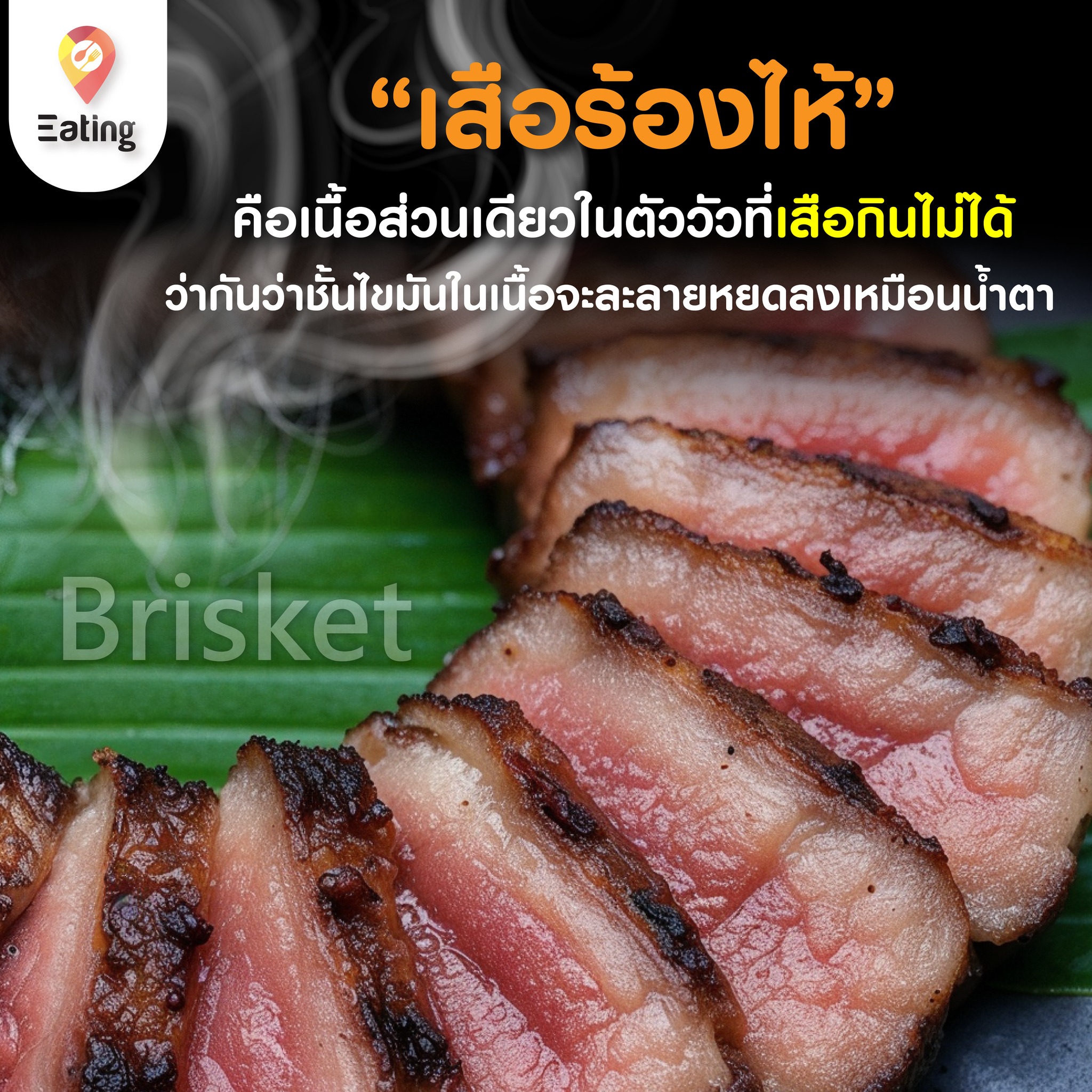
"เสือร้องไห้"เนื้อส่วนเดียวที่เสือกินไม่ได้
ว่ากันว่าไขมันจะละลายหยดเหมือนน้ำตา
เรื่องชื่อ “เสือร้องไห้” เป็นหนึ่งในตำนานการกินที่มีเสน่ห์และเต็มไปด้วยเรื่องเล่าหลากหลายแบบ แต่ละแบบล้วนสะท้อนความผูกพันของผู้คนกับอาหารและวิถีชีวิตในอดีต
.
เนื้อส่วนที่ถูกเรียกว่าเสือร้องไห้นั้น จริงๆ แล้วหมายถึง “เนื้อวัว” โดยเฉพาะส่วนท้องและซี่โครง ซึ่งเป็นบริเวณที่มีมันแทรกอยู่มากกว่าส่วนอื่นๆ รสชาติหอมมันและนุ่มกว่าปกติ ในอดีตเนื้อส่วนนี้ถือว่าหายาก มีน้อย และไม่ใช่ทุกคนจะได้กิน ตำนานจึงถูกเล่าขานขึ้นมาหลายแนวทาง
.
บางเรื่องเล่าว่า เสือที่ล่าเหยื่อกินนั้น ไม่สามารถกินเนื้อส่วนนุ่มๆ ที่อยู่ใกล้ซี่โครงได้เต็มที่ เพราะตำแหน่งยากต่อการฉีกกัด จึงเหมือนกับเสือกินไม่ได้จนต้อง “ร้องไห้” เสียดาย ส่วนอีกความเชื่อหนึ่งบอกว่า เวลาเอาเนื้อส่วนนั้นมาย่างบนไฟ ไขมันที่ซ่อนอยู่ในชั้นเนื้อจะค่อยๆ ละลายไหลหยดลงบนถ่านที่ร้อนแดง เกิดเป็นเสียงดังฉู่ฉ่า พร้อมกับควันหอมกรุ่นลอยฟุ้งไปทั่ว เมื่อหยดไขมันไหลเป็นสาย คล้ายกับหยดน้ำตา ก็เลยมีคนเปรียบเปรยว่าเนื้อนั้นกำลัง “ร้องไห้” และเมื่อนำไปเชื่อมโยงกับความดุร้ายและความอยากกินของเสือในป่า ชื่อ “เสือร้องไห้” จึงยิ่งฟังดูมีเสน่ห์และทรงพลังมากขึ้น
.
ตำนานอีกแบบหนึ่งเล่าว่า เวลาชาวบ้านย่างเนื้อ กลิ่นมันที่หยดลงถ่านหอมฟุ้งไปไกล หากเสือผ่านมาแต่ไม่ได้กิน ก็เหมือนกับต้องน้ำตาตกเพราะความอยาก นี่จึงกลายเป็นอีกเหตุผลหนึ่งที่อธิบายได้ว่าทำไมเมนูนี้ถึงได้ชื่อว่า “เสือร้องไห้”
.
เมื่อกาลเวลาผ่านไป อาหารอีสานอย่างเสือร้องไห้ก็แพร่หลายไปทั่วประเทศและต่างแดน จนกลายเป็นเมนูดังที่ไม่ใช่แค่เรื่องของรสชาติ แต่เต็มไปด้วยตำนานและเรื่องเล่าประกอบ ปัจจุบันแม้จะมีเวอร์ชันดัดแปลง เช่น “หมูเสือร้องไห้” ที่ใช้หมูแทนเนื้อวัว เพื่อให้เข้าถึงคนที่ไม่กินเนื้อ แต่ก็ยังคงกลิ่นอายของเรื่องเล่าและเสน่ห์แบบดั้งเดิมเอาไว้
.
จึงอาจกล่าวได้ว่า “เสือร้องไห้” ไม่ใช่เพียงเมนูเนื้อย่างธรรมดา แต่เป็นอาหารที่ห่อหุ้มไปด้วยวัฒนธรรม วิถีชีวิต และจินตนาการของผู้คน ที่ทำให้การกินกลายเป็นประสบการณ์ที่มีรสชาติทั้งในปากและในความรู้สึก
Why the Dish Is Called “Crying Tiger”
Food has a way of carrying stories, and the dish known as “Crying Tiger” is no exception. Its name alone sparks curiosity and behind it are legends that blend imagination, culture, and the love of eating.
The meat at the heart of this dish is beef, especially the belly and rib area. It’s the kind of cut with rich marbling, juicy and tender, that used to be hard to come by in the past. Because it was so special, people began spinning tales around it.
One story says that tigers, after catching their prey, couldn’t quite manage to eat the tender rib meat. It was simply too tricky to tear apart, leaving the tiger “crying” in frustration. Another version comes from the cooking itself: when the beef hits the grill, the fat slowly melts and drips onto the hot charcoal. The sizzle, the smoky aroma, and the glistening drops look a little like tears hence the image of the meat “crying.” Some say even a tiger passing by, catching the delicious smell without a bite to eat, would be left in tears of hunger.
Over time, Crying Tiger became a star of Isaan cuisine, traveling across Thailand and even abroad. These days you’ll find creative twists like Pork Crying Tiger, made for those who don’t eat beef, but still carrying the same charm of the original tale.
In the end, Crying Tiger isn’t just grilled meat. It’s a story on a plate, flavored with culture, memory, and a touch of imagination proof that sometimes, food is as much about the story as it is about the taste.