Loading...
Insider
New Experience
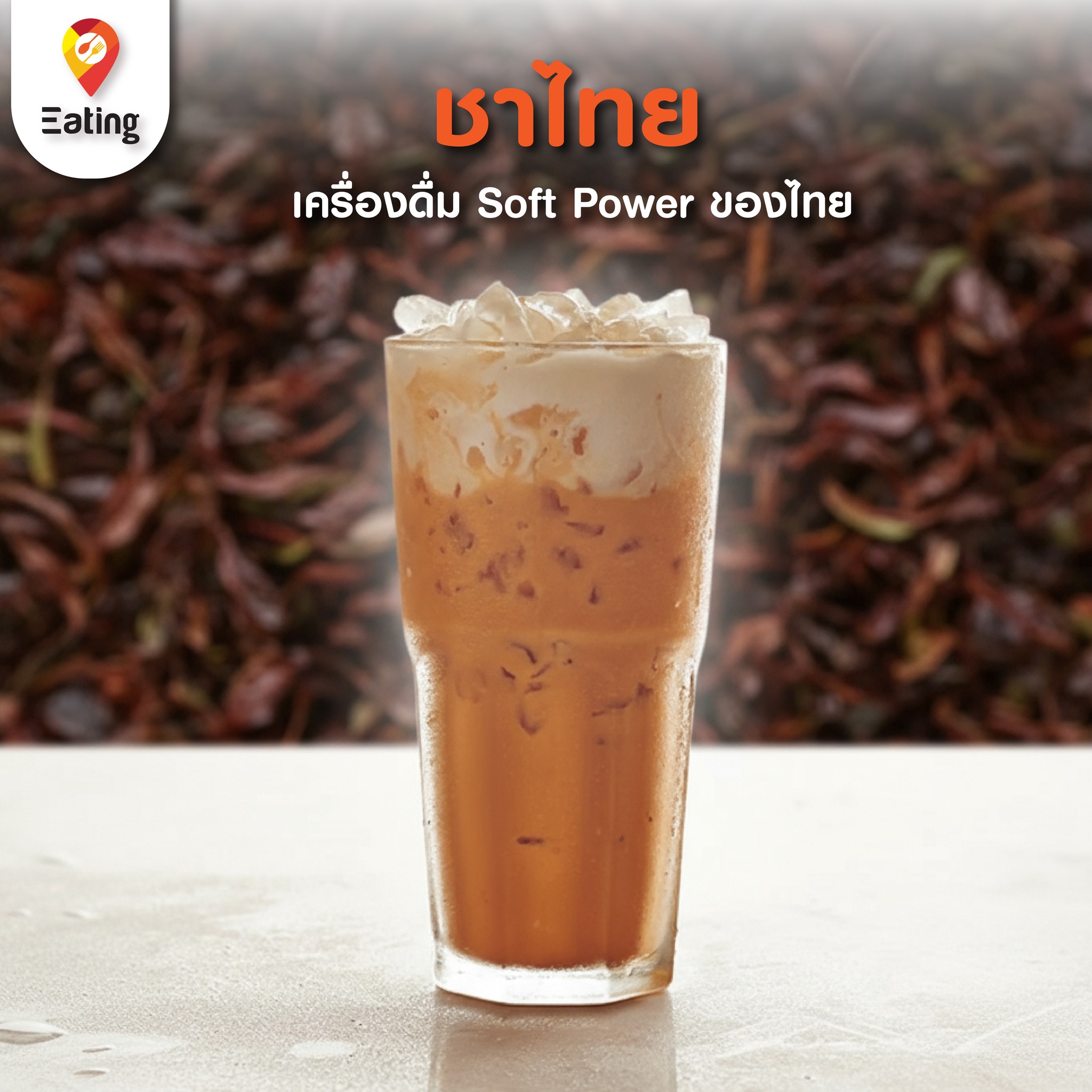
ชาไทย เครื่องดื่ม SoftPower ของไทย
ชาเย็นหรือชาไทย
เป็นเครื่องดื่มที่มีเอกลักษณ์โดดเด่นทั้งสีส้มสด กลิ่นหอม และรสหวานมันที่หลายคนคุ้นเคย แต่ที่มาของเครื่องดื่มนี้ไม่ได้ถือกำเนิดในไทยโดยตรง
.
จุดเริ่มต้นมาจากการนำชาเข้ามาจากต่างประเทศ โดยเฉพาะชาดำอัสสัมจากจีนและศรีลังกาที่ให้รสเข้มและกลิ่นชัด ชาช่วยเพิ่มความสดชื่นและถูกนิยมในหมู่คนชั้นสูงในช่วงสมัยรัชกาลที่ 5 ก่อนจะค่อยๆ แพร่เข้าสู่ร้านน้ำชาและภัตตาคารจีน
.
เมื่อเริ่มแพร่หลาย คนไทยไม่ได้ชงชาแบบชงร้อนธรรมดา แต่ได้ปรับสูตรให้มีเอกลักษณ์ด้วยการใส่เครื่องเทศ เช่น อบเชย โป๊ยกั๊ก ผงวานิลลา รวมถึงสีผสมอาหารสีส้มเพื่อให้ได้ลักษณะเฉพาะที่แตกต่างจากชาจากต่างชาติ กลายเป็นเอกลักษณ์ที่คนเห็นก็จำได้ว่าเป็นชาไทย
.
อีกทั้งสภาพบ้านเราที่อากาศร้อน ทำให้คนไทยนิยมดื่มชาแบบเย็นเพื่อความสดชื่น และกว่าจะได้รสหวานมันกลมกล่อมอย่างที่รู้จักกันทุกวันนี้ สาเหตุสำคัญมาจากการใช้ “นมข้นหวาน” และ “นมข้นจืด” ซึ่งเป็นวัตถุดิบที่หาง่ายและเก็บได้นานในยุคนั้นมากกว่านมสด ทำให้สูตรชาเย็นแบบไทยถูกจดจำและได้รับการสืบทอดต่อมาจนกลายเป็นมาตรฐาน
.
ต่อมาในช่วงสงครามเวียดนาม ทหารอเมริกันที่มาประจำการในไทยได้ชิมและชื่นชอบเครื่องดื่มนี้ จึงเป็นแรงผลักดันให้ชาเย็นกลายเป็นที่รู้จักในหมู่ชาวต่างชาติ และแพร่กระจายไปทั่วภูมิภาคและประเทศต่างๆ จนชาวต่างชาติต่างเรียกชาเย็นว่า “Thai Tea”
.
ทั้งในร้านอาหารไทยและคาเฟ่ที่นำไปดัดแปลงตามสไตล์ของตนเอง ทำให้ชาเย็นไม่เพียงเป็นเครื่องดื่มพื้นบ้าน แต่กลายเป็น Soft Power ด้านอาหารที่แสดงถึงความคิดสร้างสรรค์ในการปรับวัตถุดิบต่างชาติให้เข้ากับรสนิยมแบบไทยสู่เอกลักษณ์ที่ทั่วโลกรู้จักในปัจจุบัน
เป็นเครื่องดื่มที่มีเอกลักษณ์โดดเด่นทั้งสีส้มสด กลิ่นหอม และรสหวานมันที่หลายคนคุ้นเคย แต่ที่มาของเครื่องดื่มนี้ไม่ได้ถือกำเนิดในไทยโดยตรง
.
จุดเริ่มต้นมาจากการนำชาเข้ามาจากต่างประเทศ โดยเฉพาะชาดำอัสสัมจากจีนและศรีลังกาที่ให้รสเข้มและกลิ่นชัด ชาช่วยเพิ่มความสดชื่นและถูกนิยมในหมู่คนชั้นสูงในช่วงสมัยรัชกาลที่ 5 ก่อนจะค่อยๆ แพร่เข้าสู่ร้านน้ำชาและภัตตาคารจีน
.
เมื่อเริ่มแพร่หลาย คนไทยไม่ได้ชงชาแบบชงร้อนธรรมดา แต่ได้ปรับสูตรให้มีเอกลักษณ์ด้วยการใส่เครื่องเทศ เช่น อบเชย โป๊ยกั๊ก ผงวานิลลา รวมถึงสีผสมอาหารสีส้มเพื่อให้ได้ลักษณะเฉพาะที่แตกต่างจากชาจากต่างชาติ กลายเป็นเอกลักษณ์ที่คนเห็นก็จำได้ว่าเป็นชาไทย
.
อีกทั้งสภาพบ้านเราที่อากาศร้อน ทำให้คนไทยนิยมดื่มชาแบบเย็นเพื่อความสดชื่น และกว่าจะได้รสหวานมันกลมกล่อมอย่างที่รู้จักกันทุกวันนี้ สาเหตุสำคัญมาจากการใช้ “นมข้นหวาน” และ “นมข้นจืด” ซึ่งเป็นวัตถุดิบที่หาง่ายและเก็บได้นานในยุคนั้นมากกว่านมสด ทำให้สูตรชาเย็นแบบไทยถูกจดจำและได้รับการสืบทอดต่อมาจนกลายเป็นมาตรฐาน
.
ต่อมาในช่วงสงครามเวียดนาม ทหารอเมริกันที่มาประจำการในไทยได้ชิมและชื่นชอบเครื่องดื่มนี้ จึงเป็นแรงผลักดันให้ชาเย็นกลายเป็นที่รู้จักในหมู่ชาวต่างชาติ และแพร่กระจายไปทั่วภูมิภาคและประเทศต่างๆ จนชาวต่างชาติต่างเรียกชาเย็นว่า “Thai Tea”
.
ทั้งในร้านอาหารไทยและคาเฟ่ที่นำไปดัดแปลงตามสไตล์ของตนเอง ทำให้ชาเย็นไม่เพียงเป็นเครื่องดื่มพื้นบ้าน แต่กลายเป็น Soft Power ด้านอาหารที่แสดงถึงความคิดสร้างสรรค์ในการปรับวัตถุดิบต่างชาติให้เข้ากับรสนิยมแบบไทยสู่เอกลักษณ์ที่ทั่วโลกรู้จักในปัจจุบัน
.
Thai iced tea, known locally as cha yen or Thai tea, is instantly recognizable for its bright orange color, fragrant aroma, and rich sweet-creamy taste. However, the origins of this beloved drink did not begin entirely in Thailand. Its story traces back to imported tea leaves, especially Assam black tea from China and Sri Lanka, known for its strong flavor and distinct aroma. Tea drinking became popular among the Thai upper class during the reign of King Rama V, before gradually spreading to Chinese-style teahouses and restaurants.
As Thai tea gained popularity, locals did not simply brew it as hot tea. They adapted the recipe to create a unique expression of Thai flavor. Spices such as cinnamon, star anise, and vanilla were added, along with an orange coloring that gave the drink its iconic appearance—making it instantly identifiable as Thai tea. Because of Thailand’s warm climate, people preferred drinking it iced to cool off and refresh themselves.
The creamy sweetness we associate with Thai iced tea today comes largely from the use of sweetened condensed milk and evaporated milk. These ingredients became popular because they were more accessible and easier to store than fresh milk at the time. This combination formed the signature taste of Thai iced tea and became the standard recipe passed down through generations.
Later, during the Vietnam War, American soldiers stationed in Thailand encountered the drink and grew fond of it. Their appreciation helped spread Thai iced tea beyond the country’s borders. Before long, it appeared in Thai restaurants and cafés around the world, where it became known internationally as “Thai Tea.” Each place adapted it in its own way, but the essence remained the same.
Today, Thai iced tea is more than just a refreshing drink—it has become a form of soft power, representing Thailand’s culinary creativity and the ability to transform foreign ingredients into a flavor that is uniquely and unmistakably Thai.
As Thai tea gained popularity, locals did not simply brew it as hot tea. They adapted the recipe to create a unique expression of Thai flavor. Spices such as cinnamon, star anise, and vanilla were added, along with an orange coloring that gave the drink its iconic appearance—making it instantly identifiable as Thai tea. Because of Thailand’s warm climate, people preferred drinking it iced to cool off and refresh themselves.
The creamy sweetness we associate with Thai iced tea today comes largely from the use of sweetened condensed milk and evaporated milk. These ingredients became popular because they were more accessible and easier to store than fresh milk at the time. This combination formed the signature taste of Thai iced tea and became the standard recipe passed down through generations.
Later, during the Vietnam War, American soldiers stationed in Thailand encountered the drink and grew fond of it. Their appreciation helped spread Thai iced tea beyond the country’s borders. Before long, it appeared in Thai restaurants and cafés around the world, where it became known internationally as “Thai Tea.” Each place adapted it in its own way, but the essence remained the same.
Today, Thai iced tea is more than just a refreshing drink—it has become a form of soft power, representing Thailand’s culinary creativity and the ability to transform foreign ingredients into a flavor that is uniquely and unmistakably Thai.