Insider
New Experience
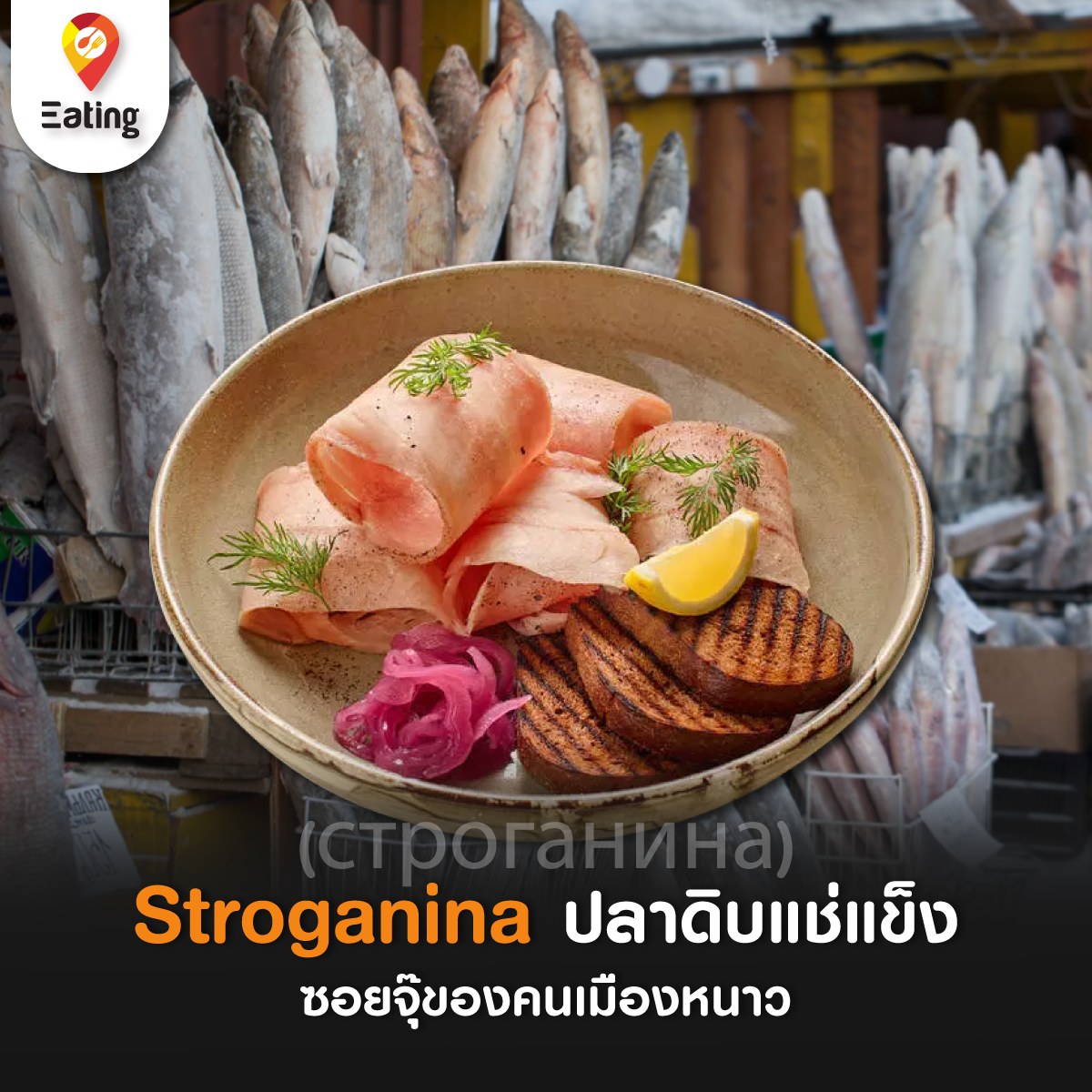
Stroganina ปลาดิบแช่แข็ง
ซอยจุ๊ของคนเมืองหนาว
เรื่องเล่าจากขั้วโลกเหนือ… เมื่อปลาดิบแช่แข็งกลายเป็นซอยจุ๊ของคนเมืองหนาว
เมื่อเอ่ยถึง “อาหารพื้นเมือง” เรามักนึกถึงเมนูที่ใช้วัตถุดิบตามฤดูกาลหรือสืบทอดผ่านครอบครัว แต่ในดินแดนที่อุณหภูมิติดลบเกือบทั้งปีอย่าง อาร์กติกไซบีเรีย อาหารกลับสะท้อนทั้งการดำรงชีพ ความอดทน และวิถีชีวิตท่ามกลางความหนาวเย็นได้อย่างลึกซึ้ง
...
 หนึ่งในอาหารที่โดดเด่นที่สุดก็คือ Stroganina (строганина)
เมนูปลาดิบแช่แข็งที่ชาวไซบีเรียยกย่องว่าเป็น “รสชาติแห่งบ้านเกิด”
...
ชาวพื้นเมือง เช่น ชาวยาคุต หรือ เนเนตส์ ต้องเผชิญอุณหภูมิที่หนาวจัดถึง –20 ถึง –30 °C
เมื่อจับปลาได้จากน้ำแข็ง เนื้อปลาจะแข็งตัวทันทีตามธรรมชาติ นี่คือภูมิปัญญาการเก็บรักษาที่ไม่ต้องพึ่งพาเครื่องมือใด ๆ
...
จากนั้นพวกเขาจะ ฝานปลาที่แข็งราวกับหินน้ำแข็ง ด้วยมีดคมพิเศษ เฉือนออกมาเป็นริบบอนบาง ๆ ที่เมื่อเข้าปากแล้วจะให้สัมผัสกรอบนอก นุ่มละลายภายใน รสชาติสดชื่นและบริสุทธิ์ของเนื้อปลาแท้ ๆ
...
 ปลาที่นิยมใช้ ได้แก่ muksun, nelma, omul
ซึ่งเป็นปลาน้ำจืดในแถบไซบีเรีย มีรสหวานนุ่ม มันเล็กน้อย และไม่มีกลิ่นคาว เพียงโรยเกลือ พริกไทย หรือกินคู่กับหัวหอมสับ รสชาติก็ยิ่งเข้มข้น บ่อยครั้งจะตามด้วยวอดก้าอุ่น ๆ หรือชาร้อน เพื่อเพิ่มความอบอุ่นในร่างกาย
...
สำหรับชาวไซบีเรีย Stroganina ไม่ใช่แค่อาหาร แต่มันคือ สัญลักษณ์ของการรวมญาติ มิตรภาพ และการแบ่งปัน
ทุกครั้งที่มีการทำ Stroganina จะมีการล้อมวงรอบโต๊ะไม้ แบ่งปันทั้งอาหาร เรื่องเล่า และเสียงหัวเราะที่ช่วยต่อลมหายใจในฤดูหนาวอันยาวนาน
...
ปัจจุบัน เมือง ยาคุตสก์ ยังจัด เทศกาล Stroganina แข่งขันการฝานปลา ใครฝานได้บาง สวย และเร็วที่สุด จะได้รับการยกย่อง กลายเป็นงานประเพณีที่สืบทอดและเชื่อมโยงคนรุ่นใหม่เข้ากับรากเหง้าของชุมชน
....
 หากซูชิหรือซาชิมิเป็นสัญลักษณ์ของญี่ปุ่น Stroganina ก็คือ “ซาซิมิแห่งขั้วโลกเหนือ”
ที่ ไม่เพียงบอกเล่าถึงรสชาติ แต่ยังสะท้อนภูมิปัญญา การปรับตัวและความสัมพันธ์อันแนบแน่นระหว่างมนุษย์กับธรรมชาติ ในดินแดนที่ทั้งโหดร้ายและงดงามที่สุดแห่งหนึ่งของโลก
A Tale from the Arctic… When Frozen Raw Fish Became the “Soi Ju” of the Cold Lands
When we talk about “local cuisine,” we often think of dishes made from seasonal ingredients or recipes passed down through generations. But in the land where temperatures stay below freezing almost all year the Arctic Siberia food reflects much more than survival. It tells stories of endurance, adaptation, and the profound connection between people and their frozen world.
...
One of the most remarkable dishes is Stroganina (строганина) a frozen raw fish delicacy that Siberians proudly call “the taste of home.”
...
Indigenous peoples such as the Yakuts and Nenets endure temperatures dropping to -20 to -30 °C. When they catch fish from beneath the ice, the flesh freezes instantly nature’s own preservation method requiring no tools or technology.
...
They then slice the rock-hard frozen fish with a special sharp knife, shaving it into thin, ribbon-like slices. Once it touches the tongue, the texture is crisp on the outside and melts softly within offering a refreshing, pure taste of the fish itself.
...
Commonly used fish include muksun, nelma, and omul freshwater species from Siberia known for their tender sweetness, mild fattiness, and lack of fishy odor. Simply sprinkle a bit of salt and pepper or pair it with chopped onions, and the flavor deepens.
It’s often followed by a sip of warm vodka or hot tea to keep the body warm in the bitter cold.
...
For Siberians, Stroganina is more than food it is a symbol of family, friendship, and sharing. Every time Stroganina is prepared, people gather around a wooden table, sharing food, stories, and laughter small sparks of warmth that sustain them through the endless winter nights.
...
Today, in the city of Yakutsk, the Stroganina Festival continues this tradition with fish-slicing competitions. Those who slice the thinnest, most beautiful ribbons the fastest are honored keeping alive a cherished custom that connects the younger generation with their ancestral roots.
...
If sushi or sashimi represent Japan, then Stroganina is truly the “Sashimi of the Arctic.”
It embodies not only unique flavor but also the wisdom, adaptability, and deep bond between humans and nature in one of the harshest yet most beautiful places on Earth