Insider
New Experience
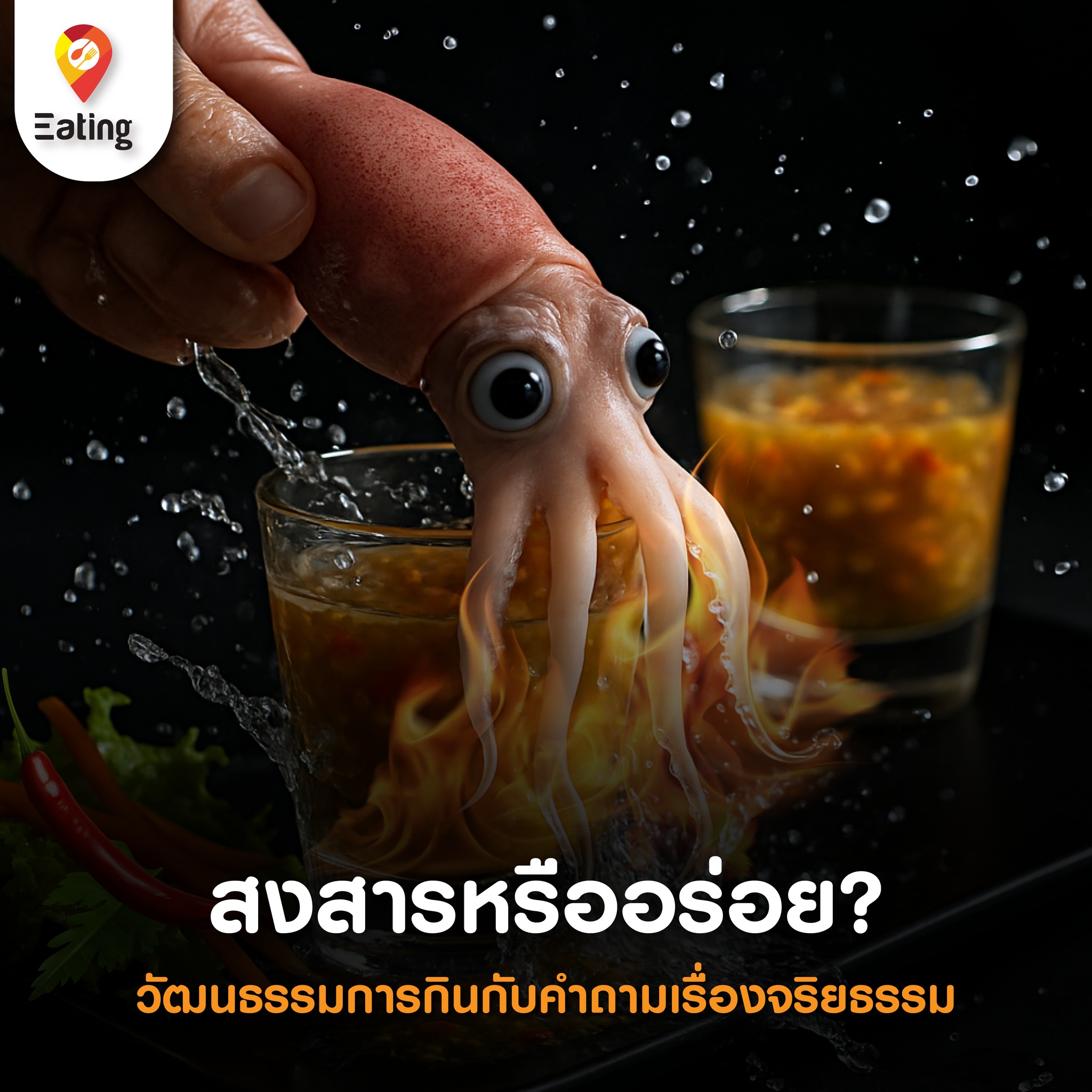
สงสารหรืออร่อย?
วัฒนธรรมการกินกับคำถามเรื่องจริยธรรม
เมนูหมึกช็อต หรือที่หลายคนรู้จักในชื่อ “หมึกเป็น” หรือ “หมึกดิ้น” เป็นอาหารที่มีชื่อเสียงในเกาหลีใต้และบางประเทศในเอเชีย โดยลักษณะเฉพาะของเมนูนี้คือการเสิร์ฟหมึกสดๆ ที่ยังคงเคลื่อนไหวอยู่บนจาน ซึ่งส่วนมากจะเป็นหมึกสายขนาดเล็ก และนิยมกินแบบดิบพร้อมน้ำจิ้มโชยุ น้ำมันงา หรือวาซาบิ ความนิยมในเมนูนี้เกิดจากความเชื่อเรื่องความสดใหม่ของวัตถุดิบ การสัมผัสความกรุบกรอบของหนวดหมึกที่ยังมีการขยับ รวมถึงถือเป็นประสบการณ์การกินที่แปลกใหม่เร้าใจสำหรับนักท่องเที่ยวจำนวนมาก
.
หลายคนมองว่าการกินหมึกในขณะที่ยังมีชีวิตอยู่เป็นการทารุณกรรมสัตว์ แม้หมึกจะเป็นสัตว์ที่ไม่แสดงความรู้สึกเหมือนสัตว์เลี้ยงทั่วไป แต่ก็มีระบบประสาทที่ซับซ้อน และสามารถรับรู้ความเจ็บปวดได้ การนำสัตว์มีชีวิตมาเป็นส่วนหนึ่งของความบันเทิงหรือเพื่อแค่ความตื่นเต้นในการกิน ถูกมองว่าเป็นการละเมิดศีลธรรมขั้นพื้นฐานของการเคารพชีวิต
.
การกินอาหารแบบเป็นๆ เช่น หมึกช็อตที่ยังดิ้นได้ ยังถูกมองว่าเป็นการกระทำที่เกี่ยวข้องกับ “การเบียดเบียนสัตว์” ซึ่งขัดกับหลักพื้นฐานของ พุทธธรรม หลายข้อ โดยเฉพาะ “ศีลข้อที่ 1” คือ ปาณาติปาตา เวรมณี การงดเว้นจากการฆ่าสัตว์ตัดชีวิต แม้ผู้บริโภคจะไม่ได้ฆ่าด้วยตนเอง แต่หากการกินหรือสั่งอาหารมีชีวิตนั้นมีส่วนทำให้เกิดการฆ่า ก็ถือว่ามีเจตนาร่วมอยู่ด้วย
.
แม้แต่สัตว์เล็กที่ดูไม่มีความรู้สึก ก็ยังมีชีวิตจิตใจของตน สัตว์ทั้งหลายเวียนว่ายอยู่ในสังสารวัฏ ไม่ต่างจากมนุษย์ ต่างก็ต้องการความสุข รักชีวิตของตัวเอง และกลัวความเจ็บปวดเช่นเดียวกัน
.
อีกด้านหนึ่ง ผู้ที่นิยมเมนูนี้อาจมองว่าเป็นส่วนหนึ่งของวัฒนธรรมท้องถิ่น เป็นรูปแบบหนึ่งของอาหารดั้งเดิมที่สืบทอดกันมายาวนาน และไม่ควรถูกตัดสินจากมุมมองของวัฒนธรรมตะวันตกหรือมาตรฐานสากลมากเกินไป
.
คำถามว่า “หมึกช็อตที่กินกันแบบเป็นๆ มันรู้สึกเจ็บไหม?” เป็นประเด็นที่ทั้งวิทยาศาสตร์และจริยธรรมพยายามหาคำตอบ
.
จากหลักฐานทางวิทยาศาสตร์ในช่วงไม่กี่ปีที่ผ่านมา มีข้อมูลที่ชัดเจนมากขึ้นว่า “หมึก” โดยเฉพาะหมึกสาย (octopus) และญาติใกล้ชิด เช่น หมึกกล้วย (squid) มีระบบประสาทที่ซับซ้อนกว่าที่เราเคยคิด พวกมันมีสมองขนาดใหญ่เมื่อเทียบกับร่างกาย มีพฤติกรรมที่ซับซ้อน และสามารถเรียนรู้ จดจำ หรือแม้แต่แก้ปัญหาได้ ซึ่งสิ่งเหล่านี้บ่งชี้ว่าหมึกมีความสามารถในการรับรู้ความรู้สึก รวมถึง "ความเจ็บปวด"
.
นักวิทยาศาสตร์บางกลุ่มยืนยันว่าหมึกมีตัวรับความเจ็บปวด (nociceptors) และแสดงปฏิกิริยาที่เป็นมากกว่าการตอบสนองแบบสะท้อน เช่น การหลบหนี หรือเปลี่ยนพฤติกรรมเพื่อหลีกเลี่ยงสิ่งกระตุ้นที่เคยทำให้เจ็บ ซึ่งถือว่าเป็นลักษณะของ "การรู้สึกเจ็บ" ในระดับหนึ่ง ไม่ใช่เพียงแค่ปฏิกิริยาทางกายภาพ
.
แต่ก็มีคนพยายามอธิบายว่า ความดิ้นนั้นไม่ใช่เพราะหมึกยังมีชีวิต แต่เกิดจากระบบประสาทส่วนปลายที่ยังทำงานอยู่ แม้สมองจะถูกทำลายไปแล้ว
.
การแยกแยะว่า "ยังมีชีวิต" หรือ "ไม่รู้สึกอะไรแล้ว" ไม่ใช่เรื่องง่าย โดยเฉพาะเมื่อพูดถึงสัตว์ที่มีระบบประสาทไม่เหมือนกับมนุษย์
.
การกินอาหารจึงไม่ใช่เพียงการดับความหิว แต่ยังเป็นการฝึกจิต ฝึกเมตตา และปลูกบุญไว้ในทุกมื้อด้วย หากเราหยุดสักนิดก่อนตักอาหารเข้าปาก แล้วถามใจตนว่า “ชีวิตใดต้องแลกมากับคำนี้?
“Shot squid,” also known by many as “live squid” or “dancing squid,” is a well-known dish in South Korea and some other Asian countries. Its distinctive feature lies in serving the squid so fresh that its tentacles are still moving on the plate. Most commonly, small-sized squids are used, served raw with soy sauce, sesame oil, or wasabi. The dish is popular because of the belief in the freshness of the ingredients, the crunchy texture of the still-moving tentacles, and the sense of excitement it offers, especially to many tourists seeking novel dining experiences.
However, many people see the practice of eating squid while it is still alive as an act of animal cruelty. Even though squid might not express feelings like more familiar pets, they do have a complex nervous system and are capable of feeling pain. Bringing live animals to the table merely for entertainment or a thrilling experience is considered by some as a violation of basic moral principles regarding respect for life.
Eating live animals, such as these “dancing” squids, is often seen as a form of “exploitation of living creatures,” which contradicts the core tenets of Buddhist ethics, particularly the first precept: “Panatipata veramani sikkhapadam samadiyami,” which means to abstain from killing or harming living beings. Even if the diner does not directly kill the animal themselves, ordering or consuming live animals contributes to the act of killing, and thus shares in the intention.
Even the smallest of animals, which might seem devoid of feelings, possess their own lives and consciousness. All creatures cycle through samsara no differently from humans, each desiring happiness, cherishing their lives, and fearing pain.
On the other hand, enthusiasts of this dish often argue that it is part of the local culture, a longstanding culinary tradition that shouldn’t be judged solely by Western or global moral standards.
The question, “Do these still-moving squids feel pain?” is one that science and ethics alike have been striving to answer.
Scientific evidence in recent years has increasingly shown that squid—especially octopuses and closely related species like cuttlefish—have far more complex nervous systems than we previously realized. They have relatively large brains, display intricate behaviors, and can learn, remember, and even solve problems. These findings strongly suggest that squid have the capacity to feel, including the capacity to feel pain.
Some scientists argue that squid possess nociceptors (pain receptors) and show responses that go beyond mere reflexes. These responses include escape behaviors and altered activities to avoid previously harmful stimuli—characteristics that align with some level of conscious pain experience, not just mechanical or automatic reactions.
However, others contend that the squid’s movements are not because it is still alive, but rather due to peripheral nervous activity that can continue even after the brain has been destroyed.
Distinguishing between “still alive” and “no longer feeling anything” is not easy—especially when we’re dealing with animals whose nervous systems differ from our own.
Eating is not just about satisfying hunger; it can also be a spiritual practice, a cultivation of compassion and the seeds of merit in every meal. If we pause for just a moment before each bite and ask ourselves, “What life had to be sacrificed for this mouthful?”, we invite mindfulness and kindness to guide our choices.