Insider
New Experience
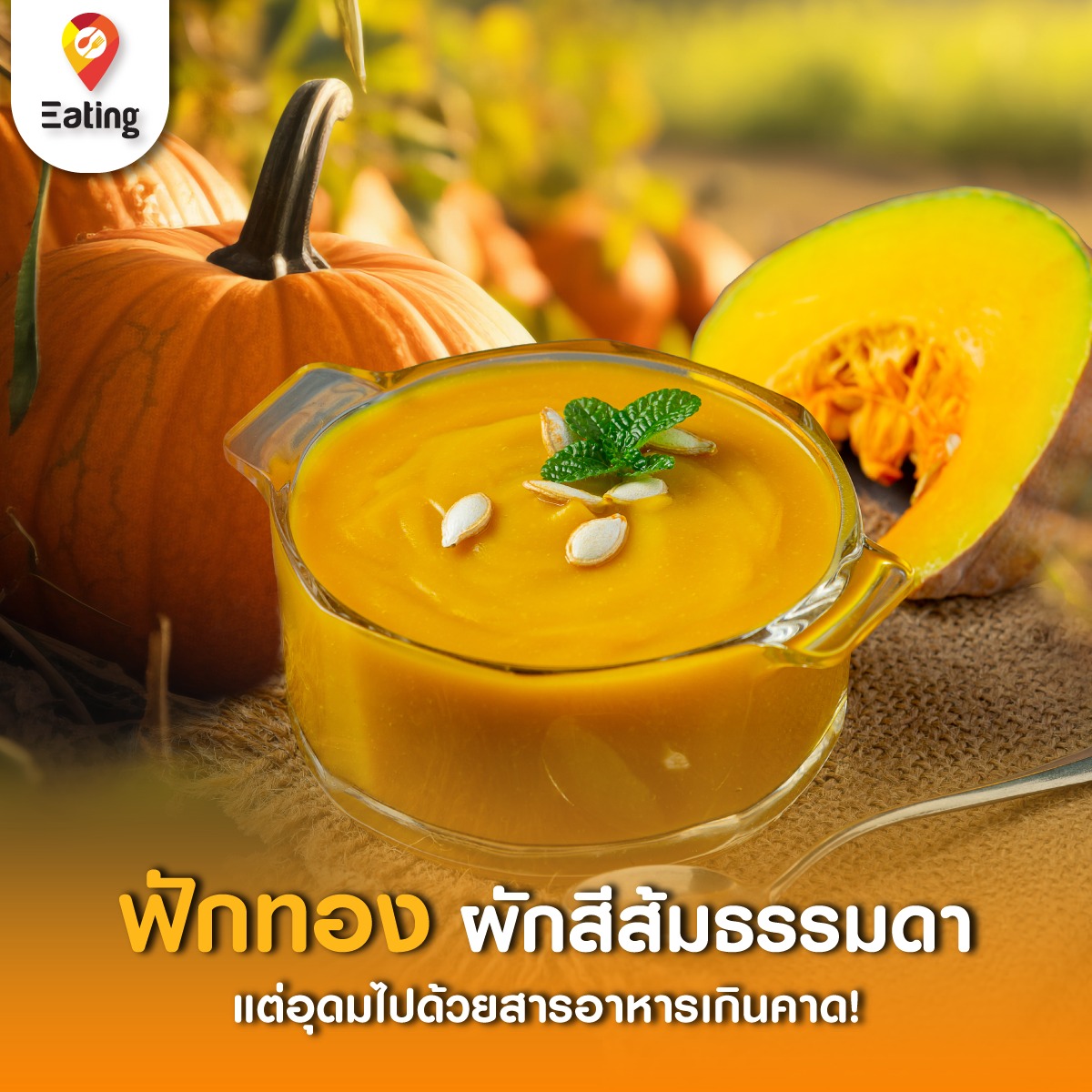
ฟักทอง ผักสีส้มธรรมดา
แต่อุดมไปด้วยสารอาหารเกินคาด!
ผักสีส้มธรรมดา...แต่คุณค่าเกินคาด!
ฟักทองเป็นผักที่อุดมไปด้วยสารอาหารหลากหลายชนิด โดยเฉพาะเบต้าแคโรทีน ซึ่งเป็นสารตั้งต้นของวิตามินเอ ช่วยบำรุงสายตา เสริมภูมิคุ้มกัน และลดความเสี่ยงของโรคหัวใจ นอกจากนี้ยังมีวิตามินซีที่กระตุ้นการสร้างคอลลาเจน ทำให้ผิวพรรณสดใส และวิตามินอีที่ช่วยชะลอความเสื่อมของเซลล์ รวมถึงวิตามินบีรวมที่มีบทบาทต่อระบบประสาทและกระบวนการเผาผลาญพลังงานอย่างมีประสิทธิภาพ อีกทั้งยังอุดมด้วยแร่ธาตุสำคัญอย่างโพแทสเซียม แมกนีเซียม เหล็ก และแคลเซียม ซึ่งช่วยบำรุงหัวใจ กล้ามเนื้อ กระดูก และควบคุมความดันโลหิตให้สมดุล
.
ด้วยความที่ฟักทองมีไฟเบอร์สูง จึงช่วยกระตุ้นการทำงานของระบบขับถ่าย ลดระดับคอเลสเตอรอล และส่งเสริมการย่อยอาหาร อีกทั้งยังเป็นอาหารที่มีแคลอรีต่ำ ให้ความอิ่มนาน เหมาะสำหรับผู้ที่ควบคุมน้ำหนักหรืออยู่ในช่วงลดน้ำหนัก แม้จะมีรสหวานตามธรรมชาติ แต่ค่าดัชนีน้ำตาลอยู่ในระดับปานกลาง และมีใยอาหารสูง จึงช่วยชะลอการดูดซึมน้ำตาล เหมาะสำหรับผู้ป่วยเบาหวานในระดับหนึ่ง (อย่างไรก็ตามควรปรึกษาแพทย์หากต้องการรับประทานเป็นประจำ)
.
ฟักทองยังเป็นแหล่งสารต้านอนุมูลอิสระชั้นยอด ทั้งเบต้าแคโรทีน ลูทีน ซีแซนทีน และวิตามินซี ที่ช่วยลดการเสื่อมของเซลล์ ชะลอวัย และลดความเสี่ยงของโรคเรื้อรัง เช่น โรคหัวใจ เบาหวาน มะเร็ง ไปจนถึงโรคทางสมองอย่างอัลไซเมอร์ พร้อมกันนี้ยังช่วยให้ผิวพรรณเปล่งปลั่ง กระชับ และลดริ้วรอยได้อย่างเป็นธรรมชาติ
.
ไม่เพียงเนื้อฟักทองที่มีประโยชน์ เมล็ดฟักทองเองก็อุดมด้วยไขมันดี (โอเมก้า 3 และ 6) สังกะสี แมกนีเซียม และกรดอะมิโนทริปโตแฟน ซึ่งล้วนมีบทบาทในการบำรุงสมอง บรรเทาอาการซึมเศร้า ช่วยให้นอนหลับลึก และเสริมสุขภาพต่อมลูกหมากในผู้ชายอีกด้วย
.
เพื่อให้ได้ประโยชน์อย่างเต็มที่ ควรรับประทานฟักทองที่ปรุงสุกแล้ว เพราะช่วยให้ย่อยง่ายและลดสารต้านเอนไซม์ที่อาจรบกวนระบบย่อยอาหาร หากนำไปทำของหวาน ควรหลีกเลี่ยงการเติมน้ำตาลหรือกะทิมากเกินไป เพื่อไม่ให้สูญเสียคุณค่าทางโภชนาการที่มีอยู่ตามธรรมชาติ
.
สรุปง่าย ๆ ฟักทองคือผักสีสวยที่เปี่ยมไปด้วยสารอาหารครบถ้วน ไฟเบอร์สูง แคลอรีต่ำ และเหมาะกับทุกเพศทุกวัย ทั้งคนรักสุขภาพ ผู้สูงอายุ ผู้ควบคุมน้ำหนัก และผู้ที่ต้องการดูแลภูมิคุ้มกันจากภายใน
An Ordinary Orange Vegetable... with Extraordinary Benefits!
Pumpkin is a vegetable rich in a wide variety of nutrients, especially beta-carotene, a precursor to vitamin A that helps improve vision, boost the immune system, and reduce the risk of heart disease. It also contains vitamin C, which stimulates collagen production for radiant skin, as well as vitamin E, which helps slow cellular aging. Moreover, it offers B vitamins that support the nervous system and energy metabolism. Pumpkin is also packed with essential minerals such as potassium, magnesium, iron, and calcium, which promote heart, muscle, and bone health, and help regulate blood pressure.
Thanks to its high fiber content, pumpkin aids digestion, supports bowel movements, lowers cholesterol levels, and promotes better nutrient absorption. Despite its natural sweetness, pumpkin is low in calories and helps you feel full for longer, making it ideal for those managing or trying to lose weight. Its medium glycemic index and high fiber also help slow down sugar absorption, making it a suitable option for people with diabetes—though regular consumption should still be discussed with a healthcare professional.
Pumpkin is also an excellent source of antioxidants, including beta-carotene, lutein, zeaxanthin, and vitamin C, which help reduce cellular degeneration, slow down aging, and lower the risk of chronic diseases such as heart disease, diabetes, cancer, and even neurodegenerative disorders like Alzheimer’s. These antioxidants also contribute to healthy, glowing, and youthful skin by reducing fine lines naturally.
Not only is pumpkin flesh highly nutritious—pumpkin seeds are as well. They are rich in healthy fats (omega-3 and omega-6), zinc, magnesium, and tryptophan, an amino acid that supports brain health, helps ease symptoms of depression, improves sleep quality, and supports prostate health in men.
To gain the most benefit, pumpkin should be cooked before consumption, which makes it easier to digest and reduces certain enzyme inhibitors that might interfere with digestion. If preparing it as a dessert, it's best to limit added sugar and coconut milk to preserve its natural nutritional value.
In short, pumpkin is a beautiful orange vegetable packed with nutrients, high in fiber, low in calories, and suitable for all ages—from health enthusiasts and seniors to those managing weight or looking to strengthen their immunity from the inside out.