Insider
New Experience
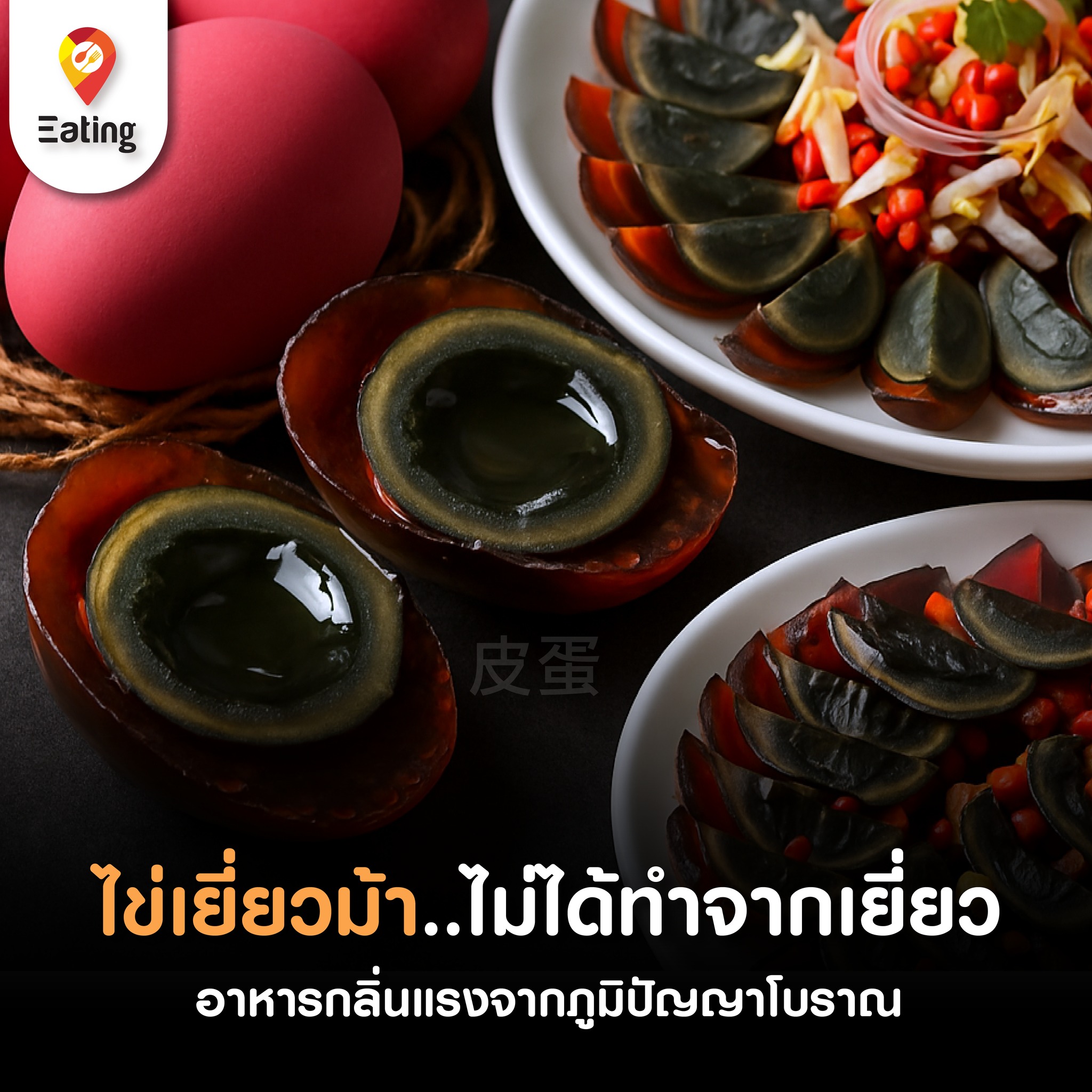
ไข่เยี่ยวม้า..ไม่ได้ทำมาจากเยี่ยว
อาหารกลิ่นแรงจากภูมิปัญญาโบราณ
ไข่เยี่ยวม้า หรือที่คนจีนเรียกว่า “ผิ่นตั้น” (皮蛋) เป็นอาหารที่มีอายุเก่าแก่หลายร้อยปี และเบื้องหลังไข่สีดำมีกลิ่นแรงชนิดนี้กลับเต็มไปด้วยเรื่องราวที่น้อยคนนักจะรู้ จุดเริ่มต้นของไข่เยี่ยวม้าเล่ากันว่าเกิดจากความบังเอิญของชาวจีนในสมัยโบราณ ที่พบว่าไข่เป็ดที่ถูกทิ้งไว้ในโคลนผสมขี้เถ้า กลับไม่เน่าเสีย แต่แปรสภาพกลายเป็นไข่ที่มีลักษณะคล้ายเจลใส กลิ่นฉุน รสเค็มมัน และกินได้อย่างปลอดภัย เมื่อความสงสัยกลายเป็นความประทับใจในรสชาติ พวกเขาจึงเริ่มพัฒนาเทคนิคการทำไข่ชนิดนี้อย่างจริงจัง
.
การทำไข่เยี่ยวม้าแบบดั้งเดิมนั้นไม่ได้ยุ่งยากแต่ต้องอาศัยเวลาและภูมิปัญญา ส่วนผสมที่ใช้มีทั้งปูนขาว ขี้เถ้าฟาง ดินเหนียว และข้าวแกลบ เมื่อนำมาผสมกันจะได้ส่วนผสมที่มีความเป็นด่างสูง นำไปพอกไข่เป็ดแล้วหมักไว้นานนับเดือน ปฏิกิริยาทางเคมีระหว่างด่างกับโปรตีนในไข่ จะเปลี่ยนไข่ขาวให้กลายเป็นเนื้อเจลสีดำใส และเปลี่ยนไข่แดงให้เป็นเนื้อครีมมัน ๆ กลิ่นเฉพาะที่มักทำให้หลายคนเบือนหน้าหนี แท้จริงแล้วเกิดจากสารแอมโมเนียและกำมะถันที่เกิดขึ้นเองจากกระบวนการหมักโดยธรรมชาติ ไม่ได้มีสิ่งสกปรกหรือของเสียอย่างที่บางคนคิด
.
สิ่งที่หลายคนเข้าใจผิดมากที่สุดคือชื่อ “ไข่เยี่ยวม้า” ซึ่งจริง ๆ แล้วไม่มีส่วนเกี่ยวข้องกับ “เยี่ยว” หรือปัสสาวะแต่อย่างใด ชื่อนี้เพี้ยนมาจากภาษาจีน “ผิ่นตั้น” เมื่อถ่ายทอดจากปากต่อปากจึงกลายเสียงจนเพี้ยน และเข้าใจกันผิดไปตาม ๆ กัน จนถึงขั้นมีคนล้อเล่นหรือเชื่อว่ากระบวนการหมักเกี่ยวข้องกับปัสสาวะของม้า ซึ่งไม่เป็นความจริงเลยแม้แต่น้อย
.
ในยุคปัจจุบันมีการประยุกต์วิธีทำไข่เยี่ยวม้าให้เร็วขึ้น โดยใช้ด่างสังเคราะห์หรือสารเร่งอย่างโซเดียมคาร์บอเนต และแอมโมเนียเพื่อให้เกิดปฏิกิริยาไวขึ้นในเวลาไม่กี่วัน แต่อาจเสี่ยงต่อการปนเปื้อนของโลหะหนักหากผลิตโดยไม่ได้มาตรฐาน โดยเฉพาะสารตะกั่วซึ่งเคยเป็นข่าวในอดีต อย่างไรก็ตาม ผู้ผลิตที่มีมาตรฐานในปัจจุบันมักควบคุมคุณภาพอย่างเข้มงวด และหลีกเลี่ยงการใช้สารอันตราย จึงควรเลือกซื้อจากแหล่งที่เชื่อถือได้เสมอ
.
แม้จะมีภาพจำว่าเป็นของเหม็นแรง กินยาก หรือดูไม่น่ารับประทาน แต่ไข่เยี่ยวม้ากลับเป็นอีกหนึ่งสิ่งมหัศจรรย์ของโลกอาหารที่ผสมผสานเคมี ธรรมชาติ และภูมิปัญญาโบราณไว้ด้วยกันอย่างลงตัว รู้ที่มาที่ไปแล้วอาจทำให้คุณมองไข่เยี่ยวม้าในอีกมุมที่ต่างออกไป
Century Eggs, or what the Chinese call “Pi Dan” (皮蛋), are a delicacy that dates back hundreds of years. Behind these dark-colored, pungent eggs lies a fascinating story that few people truly know. It’s said that the origin of century eggs was a happy accident, discovered by ancient Chinese people who noticed that duck eggs left in a mixture of mud and ash didn’t spoil. Instead, the eggs transformed — their whites turned into a translucent jelly with a strong odor, their yolks became creamy and rich — and remarkably, they were safe to eat. What began as curiosity soon turned into admiration, and the technique for making these eggs gradually evolved into an art form.
Traditional methods of making century eggs aren’t particularly complicated, but they require time and local wisdom. The mixture used typically includes quicklime, ash, clay, and rice husks — ingredients that, when combined, form a highly alkaline environment. Duck eggs are coated with this mixture and left to cure for several weeks or even months. A natural chemical reaction between the alkali and the proteins in the egg turns the whites into a dark, gelatinous mass and the yolks into a creamy, gray-green center. The egg’s signature sharp aroma, which can turn some people away, actually comes from naturally occurring ammonia and sulfur — not from rot or contamination as is sometimes mistakenly believed.
One of the biggest misconceptions lies in the name “century egg” in Thai — “Kai Yiew Ma,” which literally means “horse urine egg.” In truth, the name has nothing to do with urine or horses. It’s simply a mispronunciation of the original Chinese term “Pi Dan.” Through generations of oral transmission, the word became distorted, leading to bizarre and inaccurate assumptions — even jokes — that the fermentation process involves horse urine, which is entirely untrue.
Today, the traditional method has been adapted to speed up production. Synthetic alkalis or chemical accelerants like sodium carbonate and ammonia are sometimes used to shorten the curing process to just a few days. However, this faster method carries the risk of contamination with heavy metals — particularly lead, which has made headlines in the past. Fortunately, most modern producers now follow strict safety standards and avoid dangerous substances, making it essential to buy century eggs from trusted sources.
Though century eggs often carry a reputation for being smelly, off-putting, or unappetizing, they are in fact one of the culinary world’s most intriguing creations — a harmonious blend of chemistry, nature, and ancient ingenuity. Once you understand their origin, you might just see century eggs in a whole new light.