Insider
New Experience
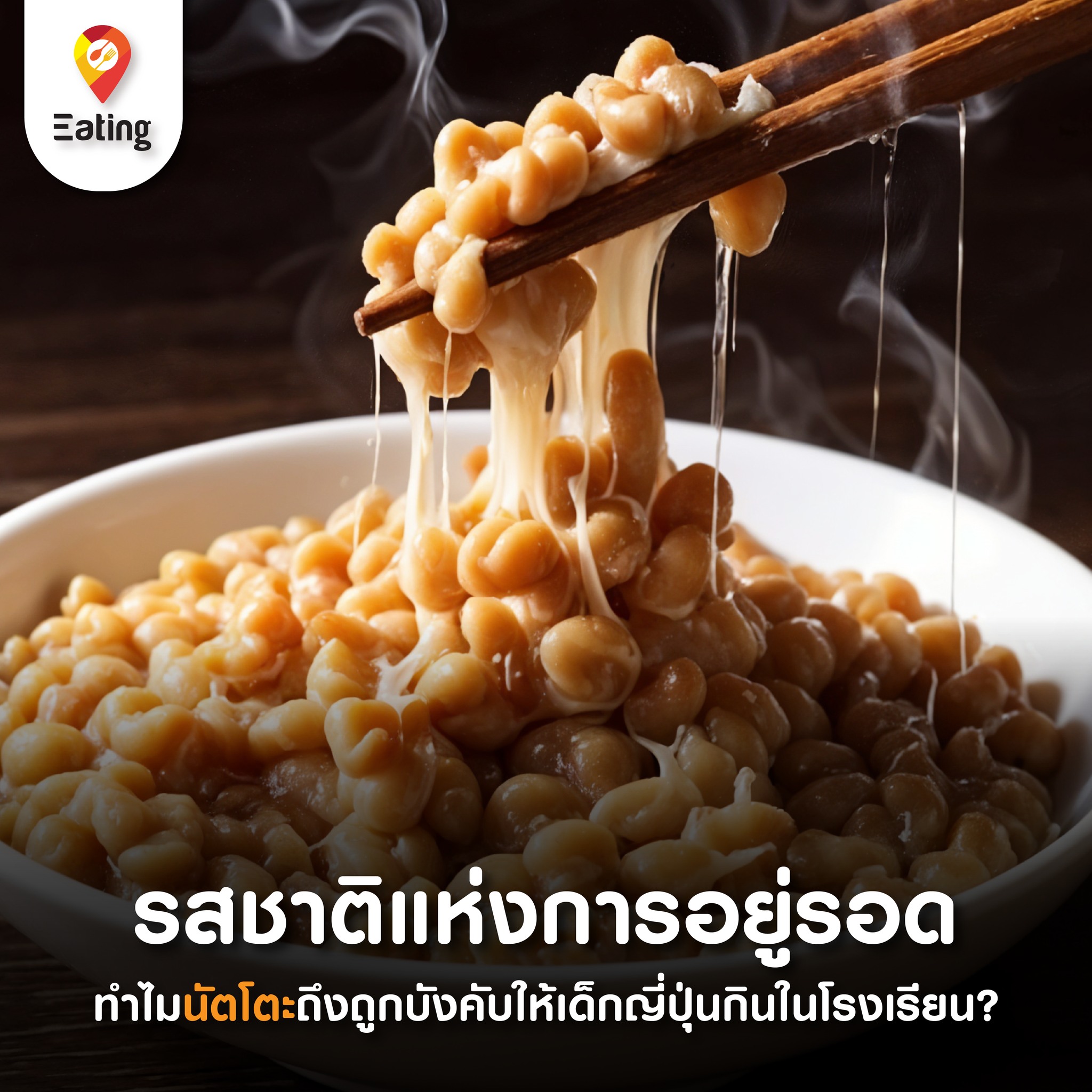
รสชาติแห่งการอยู่รอด
ทำไมนัตโตะถึงถูกบังคับ ให้เด็กญี่ปุ่นกินในโรงเรียน?
แม้จะมีสถานะเป็น “ซูเปอร์ฟู้ด” ในสายตาคนรักสุขภาพ แต่นัตโตะกลับเป็นฝันร้ายบนถาดอาหารกลางวันของเด็กญี่ปุ่นจำนวนไม่น้อย ทั้งกลิ่นฉุน รสฝาด และเมือกเหนียวที่ดึงยืดได้น่าแหยงทำให้เด็กหลายคนเบือนหน้าหนี ทว่าในโรงเรียนประถมและมัธยมต้นของญี่ปุ่น โดยเฉพาะในภูมิภาคคันโตและโทโฮขุ เด็กๆ กลับถูก “บังคับ” ให้กินนัตโตะในมื้อกลางวันประจำวัน ซึ่งไม่ได้เป็นเพียงแค่นโยบายด้านโภชนาการ หากแต่เป็นเครื่องมือที่สะท้อนถึงวัฒนธรรม การควบคุม และประวัติศาสตร์ของญี่ปุ่น
.
อาหารกลางวันในโรงเรียนญี่ปุ่นหรือที่เรียกว่า "เกียวชоку (給食)" ไม่ใช่แค่มื้ออาหาร แต่เป็นส่วนหนึ่งของระบบการศึกษาอย่างเป็นทางการ เด็กนักเรียนไม่ได้แค่กิน แต่ต้องมีส่วนร่วมในกระบวนการแจกจ่าย เก็บล้าง และแม้แต่ทำความสะอาดหลังอาหาร จุดประสงค์หลักคือการฝึกวินัย ความรับผิดชอบ และการใช้ชีวิตร่วมกันในสังคม
.
หนึ่งในสิ่งสำคัญที่แฝงอยู่คือแนวคิดว่า “เด็กควรเรียนรู้ที่จะกินของที่ไม่ชอบ” เพราะในชีวิตจริง เราไม่สามารถเลือกได้ทุกอย่างให้ตรงใจเสมอ การที่เด็กต้องกินนัตโตะจึงเป็นเสมือนบทเรียนเชิงสังคมอย่างหนึ่ง ซึ่งเป็นแนวคิดที่ถูกปลูกฝังมาตั้งแต่ยุคหลังสงครามโลกครั้งที่ 2 ที่ประเทศญี่ปุ่นฟื้นฟูชาติด้วยการฝึกคนให้ “อดทน” และ “ยืดหยุ่น”
.
นัตโตะกลายเป็นส่วนหนึ่งของอาหารกลางวันในโรงเรียนอย่างจริงจังหลังสงครามโลกครั้งที่ 2 ในช่วงที่ประเทศกำลังเผชิญภาวะขาดแคลนอาหารอย่างหนัก รัฐบาลญี่ปุ่นในขณะนั้นต้องหาแหล่งโปรตีนราคาถูกและผลิตง่าย จึงหันมาใช้ถั่วเหลือง ซึ่งเป็นพืชท้องถิ่นที่หาได้ทั่วไป การหมักถั่วเหลืองเป็นนัตโตะไม่เพียงช่วยยืดอายุอาหาร แต่ยังมีคุณค่าทางโภชนาการสูง โดยเฉพาะกรดอะมิโนและวิตามิน K2 ที่มีบทบาทในการสร้างกระดูกและบำรุงหัวใจ
.
ในแง่นี้ นัตโตะคืออาหารแห่งการอยู่รอดอย่างแท้จริง ที่ช่วยให้คนญี่ปุ่นผ่านช่วงเวลาทุพภิกขภัยมาได้ จึงมีความหมายทางประวัติศาสตร์มากกว่าความอร่อย
.
แม้ปัจจุบันญี่ปุ่นจะมีอาหารให้เลือกมากมาย แต่ระบบอาหารกลางวันในโรงเรียนกลับยังคงนัตโตะไว้เป็นหนึ่งในเมนูหลัก โดยเฉพาะในโรงเรียนที่ตั้งอยู่ในภูมิภาคตะวันออกของประเทศ ซึ่งถือเป็น “บ้านเกิด” ของนัตโตะ การ “บังคับ” ให้เด็กกินนัตโตะไม่ได้เกิดจากความดื้อดึงของระบบ แต่เป็นเพราะโรงเรียนยังยึดถือแนวคิดว่า เด็กควรเปิดใจยอมรับอาหารพื้นบ้านของตน และฝึกความอดทนต่อสิ่งที่ไม่คุ้นเคย
.
ในบางโรงเรียน เด็กที่ไม่กินนัตโตะอาจไม่ได้รับการตำหนิ แต่จะถูก “โน้มน้าว” ให้พยายามกินอย่างน้อยหนึ่งคำ บางโรงเรียนถึงขั้นมีกฎให้ต้องกินจนหมด เพื่อไม่ให้เกิดความสูญเปล่า และถือว่าเป็นการให้เกียรติผู้ผลิตอาหาร
.
ในยุคปัจจุบัน มีการตั้งคำถามมากขึ้นว่า การฝึกให้เด็กกินนัตโตะหรืออาหารไม่พึงประสงค์นั้นเหมาะสมหรือไม่ บางครอบครัวมองว่านี่เป็นการละเมิดความรู้สึกของเด็ก ขณะที่ฝ่ายสนับสนุนกลับมองว่าเป็นการสอนให้เด็กอดทน และยอมรับความหลากหลายทั้งในแง่วัฒนธรรมและชีวิตจริง
.
อย่างไรก็ตาม นโยบายของแต่ละโรงเรียนก็เริ่มยืดหยุ่นมากขึ้น บางแห่งอนุญาตให้เด็กที่แพ้นัตโตะ หรือมีอาการคลื่นไส้รุนแรง สามารถเว้นได้โดยไม่ถูกตำหนิ แต่ “วัฒนธรรมนัตโตะในโรงเรียน” ก็ยังดำรงอยู่อย่างชัดเจนและฝังรากลึกในระบบการศึกษาญี่ปุ่น
Natto: A Superfood or a Childhood Nightmare in Japanese School Lunches?
Despite being hailed as a “superfood” among health enthusiasts, natto—a traditional Japanese fermented soybean dish—is often dreaded by many Japanese children. Its strong smell, bitter taste, and slimy texture can be off-putting, making it a common source of mealtime distress. Yet, in many elementary and junior high schools across Japan—particularly in the Kanto and Tohoku regions—students are regularly required to eat natto as part of their daily school lunch. This practice isn’t just about nutrition; it reflects Japan’s cultural values, social control, and postwar history.
Japanese school lunches, known as kyūshoku (給食), are more than just meals—they’re an integral part of the formal education system. Students don’t just eat; they also take part in distributing the food, cleaning up afterward, and maintaining hygiene. The aim is to instill discipline, responsibility, and a sense of communal living.
A core belief embedded in the school lunch system is that “children should learn to eat what they don’t like.” This reflects a broader life lesson: in the real world, we can’t always choose what suits us. Making children eat natto, then, becomes a social learning experience. This idea has its roots in the post–World War II era, when Japan rebuilt its society by cultivating traits like perseverance and flexibility among its citizens.
Natto became a staple in school lunches after the war, during a time of severe food shortages. The Japanese government sought cheap, accessible sources of protein, turning to soybeans—an abundant local crop. Fermenting soybeans into natto not only extended their shelf life but also packed them with valuable nutrients, especially amino acids and vitamin K2, which are essential for bone health and heart function.
In this light, natto is more than a mere food—it’s a symbol of survival that helped the Japanese people endure hardship. Its value lies not in taste, but in its historical significance and nutritional benefit.
Today, despite Japan’s abundant food options, natto remains a regular item on school menus—especially in eastern regions, where it originated. The insistence on serving natto is not stubbornness but a continued effort to encourage children to embrace their local food heritage and build tolerance for unfamiliar or disliked items.
In some schools, children who refuse natto aren’t scolded, but are encouraged to at least try one bite. Other schools have stricter policies, requiring students to finish their portion to avoid waste and show respect for the food producers.
This practice has come under increasing scrutiny. Some parents argue that forcing children to eat food they strongly dislike infringes on their personal comfort. Others defend it as a way to teach resilience and openness to diversity—both culinary and social.
In recent years, schools have begun to relax these rules. Some now allow students with allergies or severe reactions to opt out without facing criticism. Still, the “natto culture” in school lunches remains deeply rooted in Japan’s educational philosophy.