Insider
New Experience
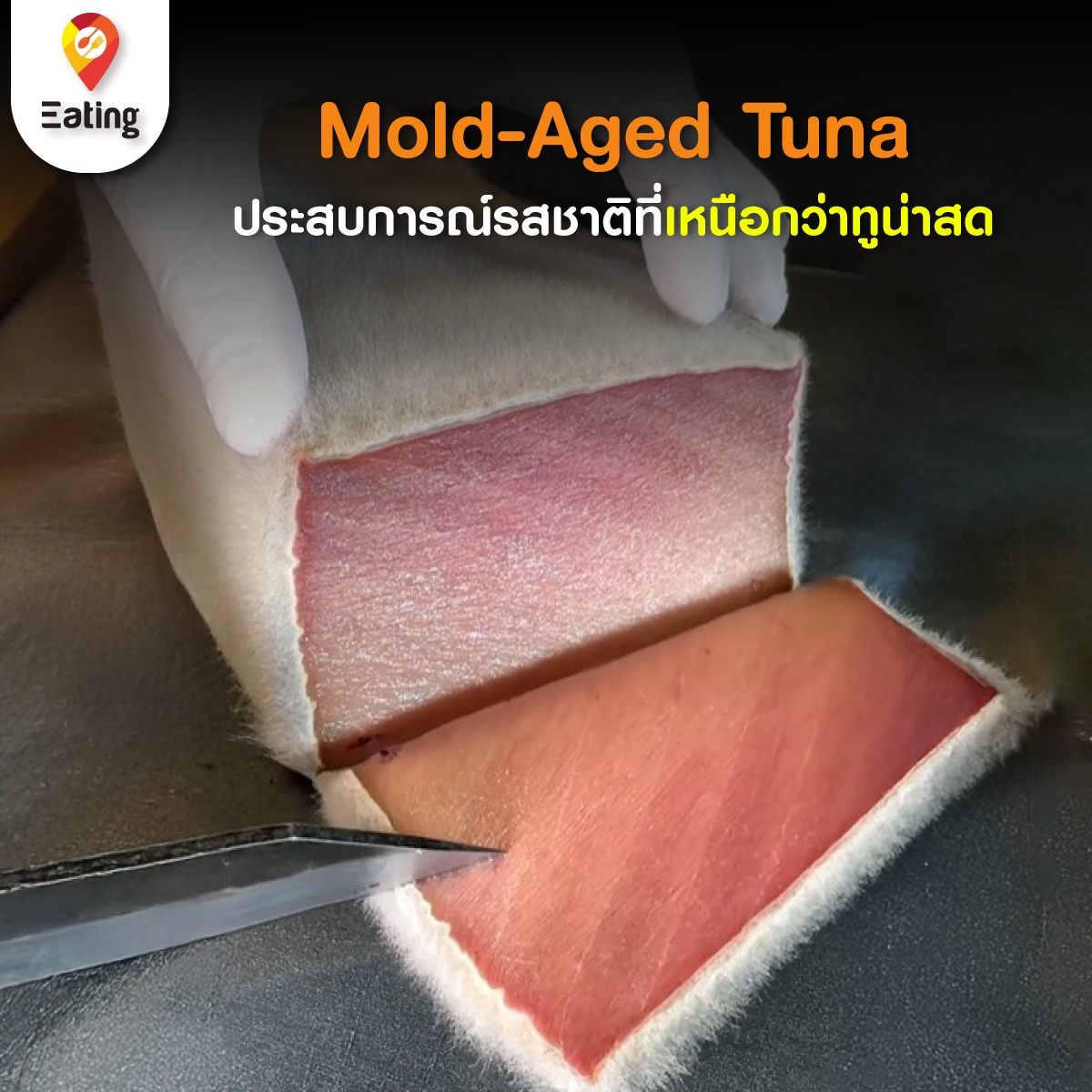
Mold-Aged Tuna
ประสบการณ์รสชาติที่เหนือกว่าทูน่าสด
“Mold-Aged Tuna… ประสบการณ์รสชาติที่เหนือกว่าทูน่าสด”
หลายคนอาจคุ้นกับคำว่า “ปลาทูน่าสด” ที่ใช้ทำซาชิมิหรือซูชิชั้นเลิศ แต่ในโลกของเชฟระดับสูงยังมีอีกหนึ่งเทคนิคที่ถูกพูดถึงในวงการ fine dining และซูชิไฮเอนด์ นั่นคือ “ปลาทูน่าขึ้นรา” หรือ mold-aged tuna ซึ่งเป็นการบ่มปลาทูน่าให้เกิดเชื้อราที่ผิวด้านนอกอย่างตั้งใจ คล้ายกับการทำชีส บ่มแฮม หรือการ dry-aged beef จุดสำคัญคือเชื้อราที่ใช้ต้องเป็นสายพันธุ์ที่ปลอดภัยและถูกควบคุมสภาพแวดล้อมอย่างเข้มงวด ทั้งอุณหภูมิ ความชื้น และการไหลเวียนอากาศ เมื่อเวลาผ่านไปหลายสัปดาห์ ผิวด้านนอกของเนื้อปลาจะถูกคลุมไปด้วยชั้นราที่ทำหน้าที่ปกป้องและสร้างรสชาติ ขณะที่เนื้อด้านในยังคงสดแต่กลับมีการเปลี่ยนแปลงทางเคมีโดยเอนไซม์ ทำให้รสชาติและเนื้อสัมผัสเปลี่ยนไปอย่างสิ้นเชิง
....
รสชาติของปลาทูน่า mold-aged มักถูกบรรยายว่ามีความซับซ้อนมากกว่าเนื้อปลาสดทั่วไป กลิ่นและรสจะลุ่มลึกขึ้น มีความ “นัว” แบบ umami ที่เข้มข้นกว่า และมีโทนรสคล้ายถั่ว หรือรสคล้ายชีสบางชนิดผสมเข้ามาเล็กน้อยเพราะกระบวนการหมักที่เกิดจากรา บางคนเปรียบว่ารสของมันให้ความรู้สึกเหมือนทานโอโทโร่ที่มีรสชาติเข้มและกลมกล่อมมากขึ้นไปอีกขั้น โดยไม่ใช่ความมันเพียว ๆ ของไขมัน แต่เป็นความกลมกล่อมที่เกิดจากการบ่ม
....
ลักษณะการรับประทาน มักนิยมเสิร์ฟเป็นซาชิมิหรือซูชิในร้านที่คัดสรรวัตถุดิบระดับสูง บางเชฟจะเสิร์ฟแบบ “nigiri” โดยใช้ mold-aged otoro หรือ akami วางบนข้าวซูชิที่ปรุงรสด้วยน้ำส้มสายชูสีแดง (akazu) เพื่อดึงความเข้มข้นออกมาให้ชัดขึ้น บางร้านอาจเสิร์ฟเป็นเมนูพิเศษแนว omakase ที่ลูกค้าจะได้ลองแค่คำหรือสองคำ เพราะเนื้อปลาลักษณะนี้ต้องใช้เวลาบ่มนานและมีปริมาณจำกัด
....
นิยมทานที่ไหน ปัจจุบัน mold-aged tuna ยังไม่ได้แพร่หลายสู่ตลาดกว้าง แต่เริ่มมีให้เห็นในร้านซูชิระดับมิชลินสตาร์ในญี่ปุ่น รวมถึงร้านซูชิและ fine dining ในยุโรปและอเมริกาที่เชฟสนใจนำเทคนิคการบ่มปลามาใช้เพื่อสร้างรสชาติใหม่ ๆ โดยเฉพาะเชฟที่เน้นการ dry-aging หรือ mold-aging เช่นเดียวกับเนื้อวัว ร้านเหล่านี้มักอยู่ในเมืองใหญ่ที่มีลูกค้าสาย experimental พร้อมจ่ายเพื่อประสบการณ์รสชาติที่ไม่เหมือนใคร
....
แม้จะเป็นเทคนิคที่ยังใหม่และ niche มาก แต่ mold-aged tuna กำลังได้รับความสนใจในฐานะ “รสชาติแห่งอนาคต” ของโลกซูชิและอาหารญี่ปุ่นเชิงสร้างสรรค์ การทานมันไม่ใช่เพียงการกินปลาดิบธรรมดา แต่เป็นการสัมผัสงานศิลปะทางรสชาติที่ผ่านการควบคุมเวลาและจุลินทรีย์อย่างพิถีพิถัน
Many people are familiar with the term “fresh tuna,” commonly used for high-quality sashimi or sushi. However, in the world of elite chefs, there is another technique that has been gaining attention in fine dining and high-end sushi circles: “mold-aged tuna.” This process involves intentionally allowing mold to develop on the surface of the tuna, similar to how cheese is aged, ham is cured, or beef is dry-aged. The key point is that the mold used must be a safe species and the environment strictly controlled, including temperature, humidity, and airflow. Over several weeks, the outer layer of the fish becomes covered with mold that protects the flesh and develops flavor, while the inner meat remains fresh but undergoes chemical changes from enzymes, transforming both the taste and texture completely.
....
The flavor of mold-aged tuna is often described as more complex than that of fresh tuna. Its aroma and taste become deeper, with a richer umami profile, and subtle notes reminiscent of nuts or certain cheeses emerge due to the fermentation process from the mold. Some people compare the taste to otoro with intensified, well-rounded flavors—not just pure fat, but a nuanced richness developed through aging.
....
In terms of consumption, it is typically served as sashimi or sushi at restaurants that select premium ingredients. Some chefs serve it as nigiri, using mold-aged otoro or akami placed on sushi rice seasoned with red vinegar (akazu) to enhance and highlight the concentrated flavors. Certain establishments may offer it as a special omakase dish, allowing diners to sample just one or two bites, since this type of tuna requires long aging times and is limited in quantity.
....
Where is it enjoyed? Currently, mold-aged tuna has not become widespread in the general market, but it can be found in Michelin-starred sushi restaurants in Japan, as well as in sushi and fine dining establishments in Europe and the United States, where chefs are experimenting with aging techniques to create new flavors. Particularly, chefs who focus on dry-aging or mold-aging, similar to techniques used with beef, are exploring this method. These restaurants are typically located in major cities, catering to experimental diners willing to pay for a unique taste experience.
....
Although it remains a niche and relatively new technique, mold-aged tuna is gaining attention as a “taste of the future” in the world of sushi and creative Japanese cuisine. Eating it is not simply consuming raw fish; it is experiencing a culinary work of art, with flavors carefully crafted over time and through controlled microbial processes.