Insider
New Experience
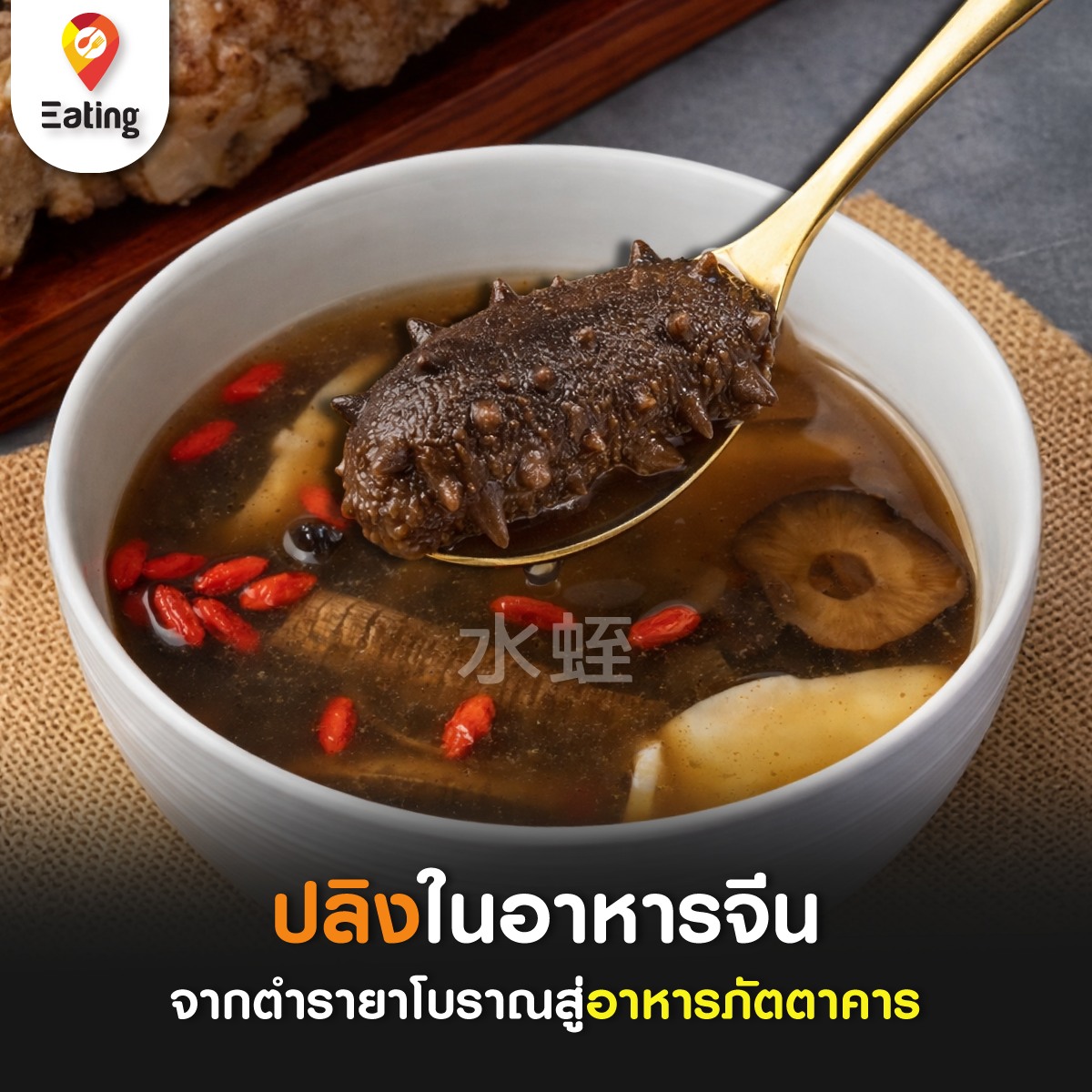
ปลิงในอาหารจีน จากตำรายาโบราณสู่อาหารภัตตาคาร
หลายคนอาจตกใจเมื่อได้ยินว่า อาหารจีนมี “ปลิง” เป็นส่วนผสม
แต่ในความจริง นี่ไม่ใช่อาหารพิสดาร
หากเป็นส่วนหนึ่งของวัฒนธรรมการกินแบบจีนโบราณ
คนจีนมีแนวคิดว่า อาหารและยาเป็นสิ่งเดียวกัน (药食同源)
วัตถุดิบที่ดูไม่น่ากิน จึงถูกใช้เพราะ “คุณค่าต่อร่างกาย” มากกว่ารสชาติ
ปลิง หรือ สุ่ยจื้อ (水蛭) จึงไม่ได้ถูกกินเป็นตัว
แต่ผ่านการแปรรูปเป็นปลิงแห้งหรือผงสมุนไพร
แล้วใส่ใน ซุปยาจีน โจ๊กยา และอาหารบำรุงเฉพาะทาง
ตามตำราแพทย์แผนจีน ปลิงช่วยกระตุ้นการไหลเวียนเลือด ลดเลือดคั่ง
จึงมักใช้ในเมนูสำหรับผู้สูงอายุ หรือภัตตาคารจีนสายสุขภาพ
หลายครั้งลูกค้าอาจไม่รู้ด้วยซ้ำว่ามีปลิงเป็นส่วนผสม
เพราะถูกใช้ในฐานะ “ตัวยา” ไม่ใช่วัตถุดิบหลัก
อาหารจีนจึงไม่ใช่แค่เรื่องความอร่อย
แต่คือภูมิปัญญาการดูแลร่างกายจากภายใน
และปลิงก็เป็นหนึ่งในวัตถุดิบที่สะท้อนวัฒนธรรมการกินนั้นได้อย่างชัดเจน
Many people may feel shocked when they hear that Chinese cuisine includes “leeches” as an ingredient.
In reality, however, this is not a bizarre food, but part of traditional Chinese culinary culture.
In Chinese philosophy, food and medicine are considered one and the same (药食同源).
Ingredients that may appear unappetizing are therefore used for their “health benefits” rather than their taste.
Leeches, known as Shuizhi (水蛭), are not eaten whole.
They are processed into dried leeches or herbal powder
and added to medicinal soups, herbal congee, and specialized nourishing dishes.
According to traditional Chinese medicine, leeches help stimulate blood circulation and reduce blood stasis.
For this reason, they are commonly used in dishes for the elderly or in health-focused Chinese restaurants.
In many cases, diners may not even realize leeches are included,
as they are used as a “medicinal component” rather than a main ingredient.
Chinese cuisine, therefore, is not only about flavor,
but also represents wisdom in caring for the body from within.
Leeches are one of the ingredients that clearly reflect this culinary culture.