Insider
New Experience
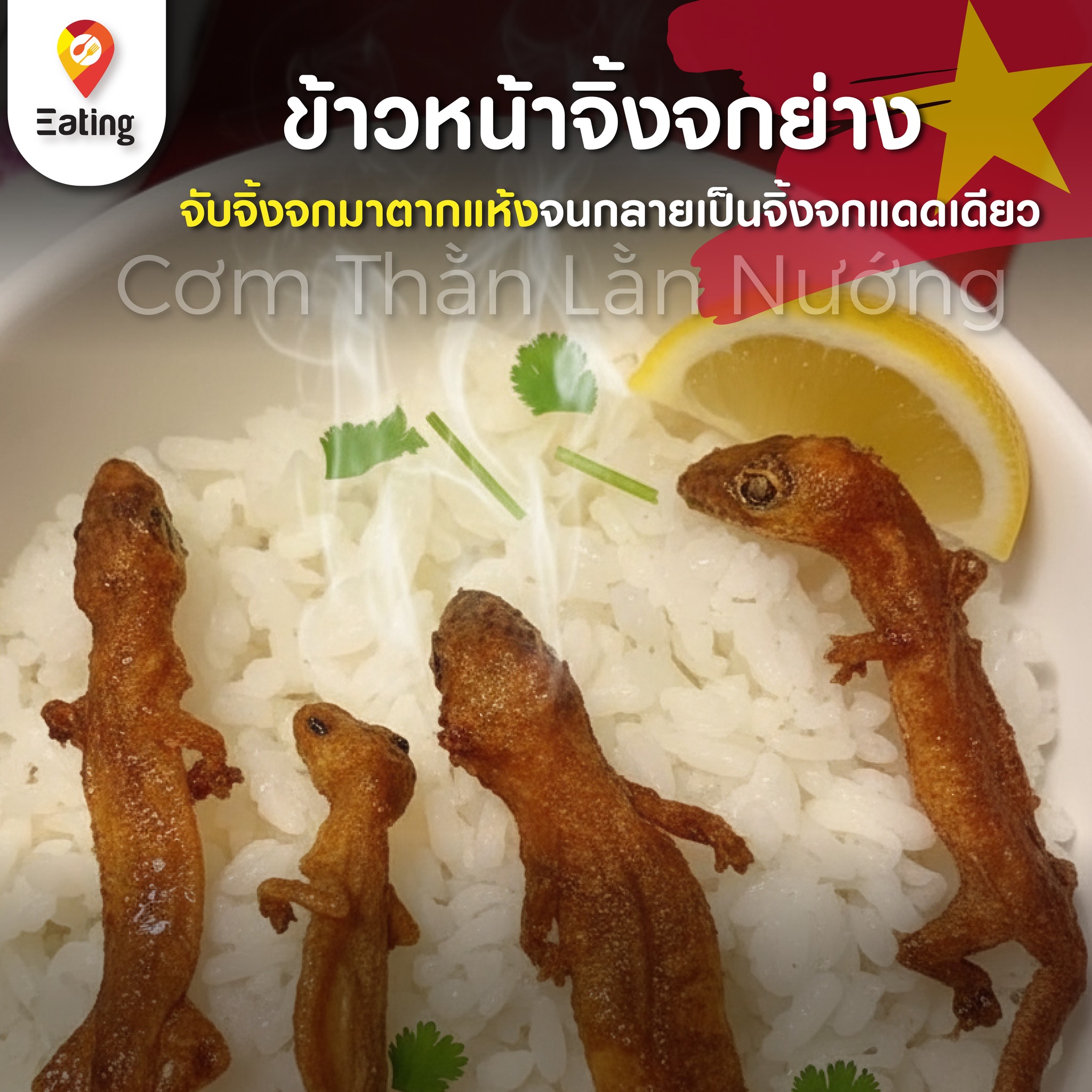
ข้าวหน้าจิ้งจกย่าง
จิ้งจกตากแห้งจนกลายเป็นจิ้งจกแดดเดียว
เมนูข้าวหน้าจิ้งจกย่างจากฟาร์มจิ้งจกในเวียดนาม ถือเป็นหนึ่งในอาหารแปลกใหม่ที่กำลังได้รับความสนใจอย่างมากในวงการอาหารแปลกและอาหารเชิงนวัตกรรม จุดเริ่มต้นของเมนูนี้มาจากแนวคิดการเพาะเลี้ยงสัตว์เลื้อยคลานเพื่อการบริโภคอย่างยั่งยืน ฟาร์มจิ้งจกในเวียดนามได้มีการเลี้ยงจิ้งจกในระบบควบคุมมาตรฐาน สะอาด และปลอดภัย เพื่อใช้ทำอาหารโดยเฉพาะ ไม่ใช่การนำจิ้งจกจากธรรมชาติมาปรุง ซึ่งช่วยลดความเสี่ยงด้านสุขอนามัย และยังเป็นการสร้างทางเลือกใหม่ให้กับผู้บริโภคที่ชอบลองอะไรแปลกใหม่
.
เนื้อจิ้งจกที่ได้จากฟาร์มจะมีความแตกต่างจากที่หลายคนคาดคิด รสชาติใกล้เคียงกับไก่หรือปลา ผิวกรอบแต่นุ่มใน เนื้อไม่มีกลิ่นคาวจัดอย่างที่หลายคนกังวล จึงถูกนำมาพัฒนาเป็นเมนูหลากหลาย และหนึ่งในเมนูยอดฮิตที่ถูกพูดถึงก็คือ “ข้าวหน้าจิ้งจกย่าง” ลักษณะการปรุงจะใช้การย่างจิ้งจกทั้งตัวบนเตาถ่านหรือเตาย่างไฟแรง จนหนังด้านนอกกรอบหอม ราดด้วยซอสหมักสมุนไพรแบบเวียดนาม เช่น ตะไคร้ ข่า กระเทียม พริก และซอสถั่วเหลือง ก่อนนำมาวางบนข้าวสวยร้อนๆ ทำให้ได้กลิ่นหอมผสมผสานระหว่างความเข้มของเครื่องเทศกับความหวานมันของเนื้อจิ้งจก
.
จุดที่ทำให้เมนูนี้น่าสนใจคือมันไม่ได้ถูกมองเพียงแค่อาหารแปลก แต่มันยังเป็นเมนูที่สะท้อนให้เห็นถึงทิศทางใหม่ของวงการอาหาร ที่พยายามหาทางเลือกโปรตีนใหม่แทนเนื้อสัตว์แบบดั้งเดิม เนื่องจากจิ้งจกจัดเป็นแหล่งโปรตีนที่มีคุณค่าทางโภชนาการสูง ย่อยง่าย และไขมันต่ำ คล้ายกับแมลงที่เริ่มได้รับความนิยมในฐานะอาหารแห่งอนาคต เวียดนามเองก็พยายามผลักดันเมนูนี้ให้เข้าสู่ตลาดกว้างขึ้น โดยนำเสนอในร้านอาหารแนวเอ็กโซติกและรีสอร์ตที่รองรับนักท่องเที่ยวต่างชาติที่ชอบประสบการณ์อาหารท้องถิ่นที่ไม่เหมือนใคร
.
แม้เมนู “ข้าวหน้าจิ้งจกย่าง” จะดูท้าทายสำหรับใครหลายคน แต่ก็ถือเป็นการเปิดมุมมองใหม่ว่าการกินอาหารไม่จำเป็นต้องติดอยู่ในกรอบเดิม และบางครั้งสิ่งที่เราคิดว่าไม่น่ากิน อาจกลายเป็นรสชาติที่ทั้งอร่อยและมีคุณค่ามากกว่าที่คิด
The grilled lizard rice bowl from Vietnam’s lizard farms has emerged as one of the most intriguing dishes in the world of exotic and innovative gastronomy. The concept originated from the idea of farming reptiles as a sustainable source of food. These farms raise lizards in a controlled, hygienic, and safe environment specifically for culinary use rather than harvesting them from the wild. This approach not only reduces health risks but also provides adventurous eaters with a new and unusual option to explore.
Farm-raised lizard meat is quite different from what many might imagine. Its taste is often compared to chicken or fish, with a crispy exterior and tender interior. Unlike common concerns, the meat carries little to no strong odor, making it a versatile ingredient for creative dishes. Among the many recipes developed, the “grilled lizard rice bowl” has become a standout favorite. The preparation involves grilling the whole lizard over charcoal or high heat until the skin turns crisp and aromatic, then marinating it with a blend of Vietnamese herbs such as lemongrass, galangal, garlic, chili, and soy sauce. Finally, it is served atop a steaming bed of rice, combining the fragrance of spices with the rich, savory flavor of the meat.
What makes this dish truly fascinating is that it represents more than just a culinary curiosity it reflects a broader shift in the global food industry toward sustainable protein alternatives. Lizards, much like insects, are high in protein, easy to digest, and low in fat, making them a strong candidate for the “future foods” movement. In Vietnam, the grilled lizard rice bowl is being promoted beyond local communities, making its way into exotic restaurants and tourist resorts where international visitors seek authentic and adventurous dining experiences.
While the idea of eating lizard may seem daunting at first, the grilled lizard rice bowl challenges conventional boundaries of cuisine. It reminds us that food doesn’t always have to stay within familiar limits, and sometimes, what seems unpalatable at first glance can turn out to be surprisingly delicious and nutritionally valuable.