Insider
New Experience
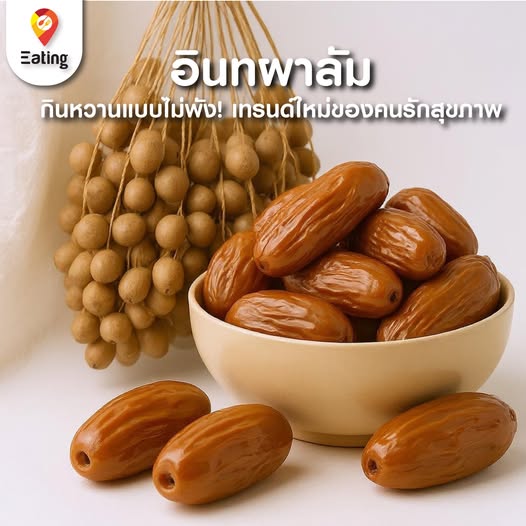
อินทผาลัม
กินหวานแบบไม่พัง! เทรนด์ใหม่ของคนรักสุขภาพ
อินทผาลัม กินหวานแบบไม่พัง เทรนด์ใหม่ของคนรักสุขภาพ
อินทผาลัม คือผลไม้สีน้ำตาลเข้มที่ดูเผิน ๆ อาจเหมือนเพียงของหวานจากธรรมชาติ แต่ภายใต้เปลือกบาง ๆ และเนื้อที่ฉ่ำหวาน กลับแฝงไว้ด้วประวัติศาสตร์และวัฒนธรรมที่หยั่งรากลึกมายาวนานนับพันปี
.
ผลไม้ชนิดนี้มีถิ่นกำเนิดในดินแดนเมโสโปเตเมีย ซึ่งปัจจุบันคือพื้นที่ในประเทศอิรัก อินทผาลัมเป็นหนึ่งในพืชที่มนุษย์รู้จักและเพาะปลูกมาตั้งแต่ยุคแรกเริ่มของอารยธรรม มีหลักฐานว่าอินทผาลัมถูกปลูกและนำมาใช้ประโยชน์ตั้งแต่กว่า 6,000 ปีที่แล้ว โดยเฉพาะในอียิปต์โบราณที่อินทผาลัมมีความสำคัญทั้งในด้านโภชนาการและพิธีกรรม บางภาพสลักโบราณแสดงให้เห็นถึงการเก็บเกี่ยวอินทผาลัมเพื่อบูชาเทพเจ้า หรือใช้ในงานศพของชนชั้นสูง
.
อินทผาลัมยังปรากฏอยู่ในคัมภีร์ศักดิ์สิทธิ์ของศาสนาหลายแขนง ไม่ว่าจะเป็นพระคัมภีร์ไบเบิลหรือคัมภีร์อัลกุรอาน ซึ่งสะท้อนให้เห็นว่า อินทผาลัมเป็นมากกว่าพืชอาหาร แต่คือสัญลักษณ์ของชีวิต ความอุดมสมบูรณ์ และความเมตตาจากพระเจ้า
.
สำหรับโลกอิสลาม อินทผาลัมมีสถานะพิเศษอย่างยิ่ง ท่านศาสดามูฮัมหมัดเคยกล่าวไว้ว่าอินทผาลัมเป็นหนึ่งในผลไม้ที่ดีที่สุด และนิยมละศีลอดในเดือนรอมฎอนด้วยอินทผาลัมและน้ำเปล่า ตามแบบฉบับของท่าน อินทผาลัมจึงกลายเป็นผลไม้ที่ขาดไม่ได้ในพิธีกรรมทางศาสนา เป็นของถวาย เป็นของขวัญ และเป็นส่วนหนึ่งของวัฒนธรรมอาหรับมานานหลายศตวรรษ
.
ในประเทศต่าง ๆ ในตะวันออกกลาง เช่น ซาอุดีอาระเบีย สหรัฐอาหรับเอมิเรตส์ อิหร่าน และโมร็อกโก อินทผาลัมไม่ได้ถูกมองว่าเป็นเพียงผลไม้ แต่เป็นของมีค่าในเชิงวัฒนธรรม ความสัมพันธ์ระหว่างครอบครัว หรือการต้อนรับแขกผู้มาเยือน
.
วิธีการบริโภคอินทผาลัมในแต่ละประเทศก็แตกต่างกันไป บางประเทศนิยมกินอินทผาลัม สดที่มีรสหวานฉ่ำ บางแห่งนิยมอินทผาลัมอบแห้งที่เก็บได้นานและเข้มข้นด้วยรสชาติ บางวัฒนธรรมนำอินทผาลัมไปทำขนมหวาน เช่น ฮัลวา หรือใช้เป็นส่วนประกอบในอาหารจานหลักอย่างทาจีนและคูสคูส ในขณะที่บางประเทศนิยมกินอินทผาลัมคู่กับชา กาแฟ หรือแม้กระทั่งโยเกิร์ตเพื่อสุขภาพ
.
อินทผาลัมยังกลายเป็นหนึ่งในอาหารที่แพร่หลายไปทั่วโลกในยุคปัจจุบันโดยเฉพาะในกลุ่มคนรักสุขภาพ เพราะอุดมไปด้วยพลังงานจากน้ำตาลธรรมชาติอย่างกลูโคสและฟรุกโตส ให้พลังงานเร็วแต่ไม่ทำให้ระดับน้ำตาลในเลือดพุ่งสูง นอกจากนี้ยังมีไฟเบอร์สูง ช่วยในการขับถ่าย รวมถึงมีแร่ธาตุจำเป็นอย่างโพแทสเซียม เหล็ก และแมกนีเซียม ที่ดีต่อระบบประสาทและหัวใจ
.
ในประเทศไทยเอง อินทผาลัมได้รับความนิยมเพิ่มขึ้นอย่างต่อเนื่อง โดยเฉพาะในช่วงเดือนรอมฎอนของชาวมุสลิม และกระแสรักสุขภาพที่ทำให้คนไทยหันมาบริโภคอินทผาลัมเป็นของว่างหรือของฝาก ภาพของอินทผาลัมในแพ็กเกจหรูถูกวางเรียงอยู่ในห้างสรรพสินค้า หรือแทรกอยู่ตามตลาดออนไลน์ กำลังบอกเราอย่างชัดเจนว่า อินทผาลัมเดินทางไกลจากทะเลทรายสู่เมืองไทย ด้วยคุณค่าอันเป็นนิรันดร์ ทั้งในฐานะผลไม้เพื่อสุขภาพ และสัญลักษณ์ทางวัฒนธรรมที่ไม่เคยเลือนหายไปตามกาลเวลา
Dates: Sweet, Clean, and Totally On-Trend
Dates may appear to be just a simple sweet fruit, but beneath their soft skin and rich, syrupy flesh lies a story that stretches back thousands of years. This humble fruit, native to the land of Mesopotamia—modern-day Iraq—has been cultivated and cherished by civilizations since the dawn of agriculture. Archaeological evidence suggests that dates have been harvested and consumed for more than 6,000 years. In ancient Egypt, dates were more than just food; they played vital roles in rituals and religious offerings. Wall carvings in tombs and temples depict scenes of date harvesting, often in connection with ceremonies and offerings to the gods.
References to dates appear in sacred texts from various religions, including the Bible and the Qur’an, underscoring their significance beyond mere nutrition. Dates are seen as symbols of life, abundance, and divine mercy—nourishment for the body and the soul.
In the Islamic world, dates hold a particularly sacred place. The Prophet Muhammad is said to have praised dates as one of the best fruits and often broke his fast during the holy month of Ramadan with dates and water. This practice has endured for centuries and remains a vital part of Islamic tradition. In countries across the Middle East—such as Saudi Arabia, the UAE, Iran, and Morocco—dates are not just fruits; they represent generosity, hospitality, and cultural identity. Offering dates to guests is a sign of respect, and they are a common gift during religious celebrations and family gatherings.
The way dates are consumed varies from one culture to another. In some regions, fresh dates with a soft, honey-like texture are preferred, while others enjoy sun-dried dates that are rich and chewy. Dates are used in desserts like halwa, incorporated into savory dishes like couscous or tajine, and even paired with coffee, tea, or yogurt as a nutritious snack. In today’s globalized world, dates have found their way into the diets of health-conscious consumers everywhere. Rich in natural sugars like glucose and fructose, they provide quick, stable energy without spiking blood sugar levels. They are also high in fiber, aiding digestion, and packed with essential minerals such as potassium, iron, and magnesium that support heart and nervous system health.
In Thailand, dates have gained popularity in recent years, especially during Ramadan and within the growing wellness community. Whether found in glossy packages on supermarket shelves or offered as health-conscious snacks online, dates have made their mark as both a superfood and a cultural bridge. Once a fruit of the desert, they now grace tables across the globe, carrying with them the timeless values of nourishment, tradition, and spiritual connection.