Insider
New Experience
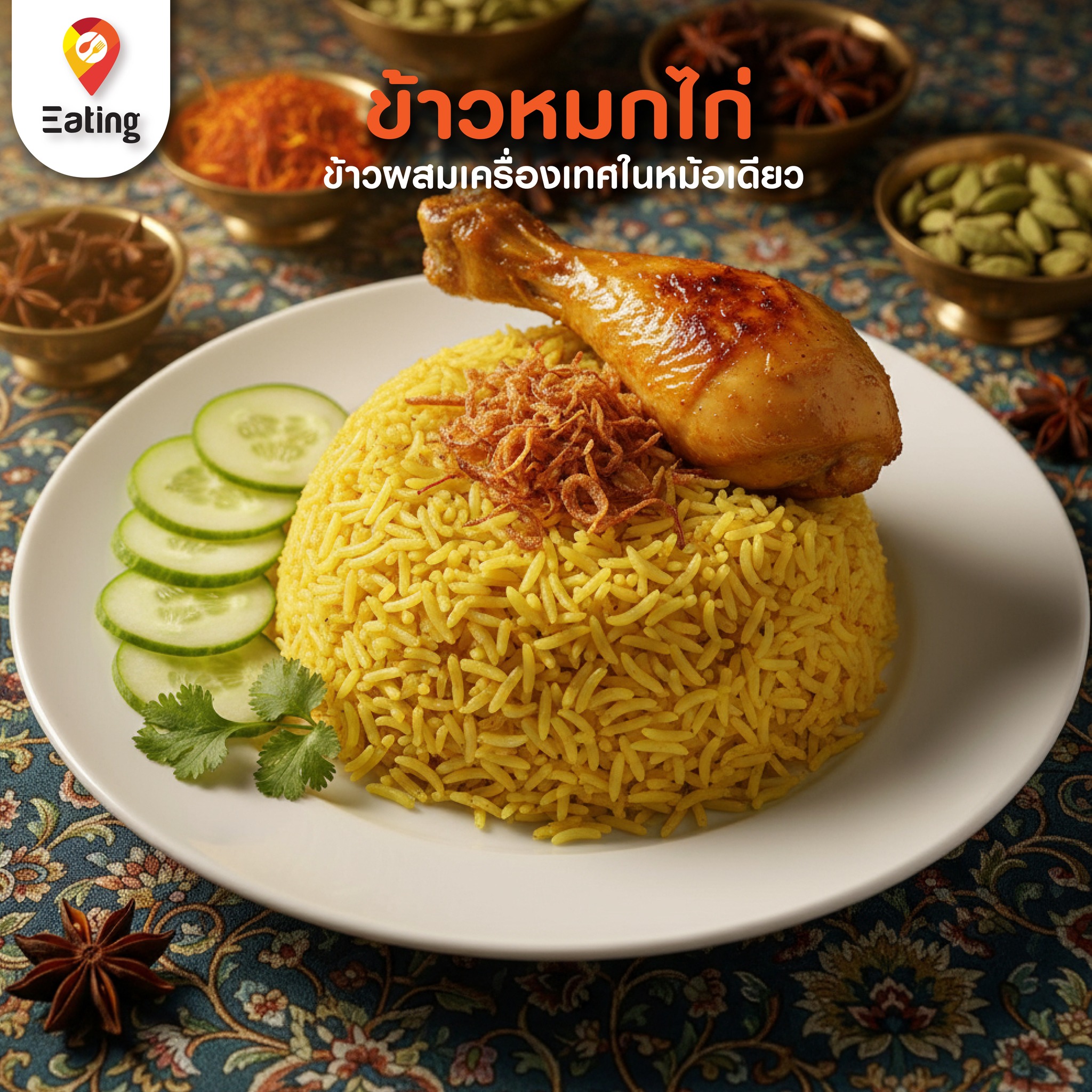
ข้าวหมกไก่
ข้าวผสมเครื่องเทศในหม้อเดียว
ข้าวหมกไก่ เส้นทางจากราชสำนักโมกุล สู่จานข้าวในบ้านเรา
หากพูดถึง “ข้าวหมกไก่” ภาพที่หลายคนนึกถึงคือข้าวสีเหลืองทอง หอมกลิ่นเครื่องเทศอุ่น ๆ เสิร์ฟคู่กับไก่ชิ้นโต หอมเจียวกรอบ และน้ำจิ้มสีเขียวรสเปรี้ยวสดชื่น เมนูนี้อาจเป็นอาหารประจำร้านข้าวหมกย่านมุสลิมที่เราแวะกินบ่อย ๆ แต่เบื้องหลังจานข้าวธรรมดานี้ แท้จริงแล้วมีเรื่องเล่าเก่าแก่ย้อนไปหลายศตวรรษ
.
ต้นกำเนิดจากแดนเปอร์เซีย – อินเดีย
คำว่า “Biryani” ซึ่งเป็นต้นแบบของข้าวหมกไก่ มาจากภาษาเปอร์เซีย birian แปลว่า “ทอดก่อน” และ birinj ที่แปลว่า “ข้าว” เดิมทีเป็นอาหารประเภท “ข้าวปรุงเครื่อง” ที่นิยมในเปอร์เซีย ก่อนจะเดินทางเข้าสู่ชมพูทวีป
.
เมื่อถึงสมัยราชวงศ์โมกุล (คริสต์ศตวรรษที่ 16–17) ข้าวปรุงเครื่องชนิดนี้ได้รับการยกระดับให้หรูหราและพิถีพิถันยิ่งขึ้น กลายเป็นเมนู “Biryani” ที่ใช้ข้าวบาสมาติ เมล็ดยาวหอมฟู เคล้ากับเครื่องเทศนานาชนิด ตั้งแต่กระวาน กานพลู อบเชย ยี่หร่า ไปจนถึงหญ้าฝรั่น
.
จากอินเดีย บิริยานีค่อย ๆ เดินทางมากับพ่อค้าชาวมุสลิม ผ่านเส้นทางการค้าเข้าสู่เอเชียตะวันออกเฉียงใต้ ตั้งแต่มาเลเซีย อินโดนีเซีย จนถึงประเทศไทย
.
ในไทย เมนูนี้ถูกเรียกว่า “ข้าวหมก” หรือ “ข้าวหมกไก่” โดยเฉพาะในชุมชนมุสลิม ไม่ว่าจะในภาคใต้หรือย่านมุสลิมของกรุงเทพฯ มีการปรับสูตรให้เข้ากับวัตถุดิบและรสชาติที่คนไทยคุ้นเคย เครื่องเทศยังคงหอมอบอวล แต่ไม่เข้มจนเกินไป และเพิ่มน้ำจิ้มสีเขียวเปรี้ยวสด เพื่อให้ตัดเลี่ยนและเข้ากับอากาศร้อน
.
ข้าวหมกไก่ – อาหารที่เชื่อมผู้คน
ทุกวันนี้ ข้าวหมกไก่ไม่ใช่เพียงอาหารของชุมชนมุสลิมอีกต่อไป แต่กลายเป็นเมนูที่คนไทยทุกเชื้อสายรู้จักและรักในรสชาติ มันคืออาหารที่บอกเล่าเรื่องราวการเดินทางของวัฒนธรรม ผ่านเส้นทางการค้า ศรัทธา และการอยู่ร่วมกัน
Chicken Biryani: From the Mughal Court to Thai Dining Tables
When we think of khao mok gai—Thailand’s version of chicken biryani—the image that often comes to mind is golden-yellow rice infused with the warm aroma of spices, served with tender chicken, crispy fried shallots, and a refreshing green dipping sauce. It may be a familiar dish from local Muslim eateries we often visit, but behind this seemingly ordinary plate of rice lies a story that stretches back centuries.
Origins in Persia and India
The word biryani, the origin of khao mok gai, comes from the Persian birian, meaning “to fry before cooking,” and birinj, meaning “rice.” Originally, it was a spiced rice dish popular in Persia before traveling into the Indian subcontinent.
During the Mughal Empire (16th–17th centuries), this dish was elevated into a royal delicacy known as biryani. It featured long-grain basmati rice, light and fragrant, cooked with a lavish blend of spices such as cardamom, cloves, cinnamon, cumin, and saffron.
Journey to Southeast Asia
From India, biryani gradually spread with Muslim traders along maritime trade routes into Southeast Asia—reaching Malaysia, Indonesia, and eventually Thailand.
In Thailand, the dish became known as khao mok or khao mok gai when prepared with chicken. Within Muslim communities—whether in the southern provinces or in Bangkok’s Muslim quarters—the recipe was adapted to local ingredients and tastes. The spices remain fragrant but are milder compared to traditional Indian biryani, while the addition of a tangy green dipping sauce helps cut through the richness and suits the country’s hot climate.
More Than Just a Meal
Today, khao mok gai is no longer just a dish of the Muslim community but one beloved by Thais of all backgrounds. It is more than a flavorful rice dish—it is a testament to cultural journeys, trade routes, faith, and the spirit of coexistence.