Insider
New Experience
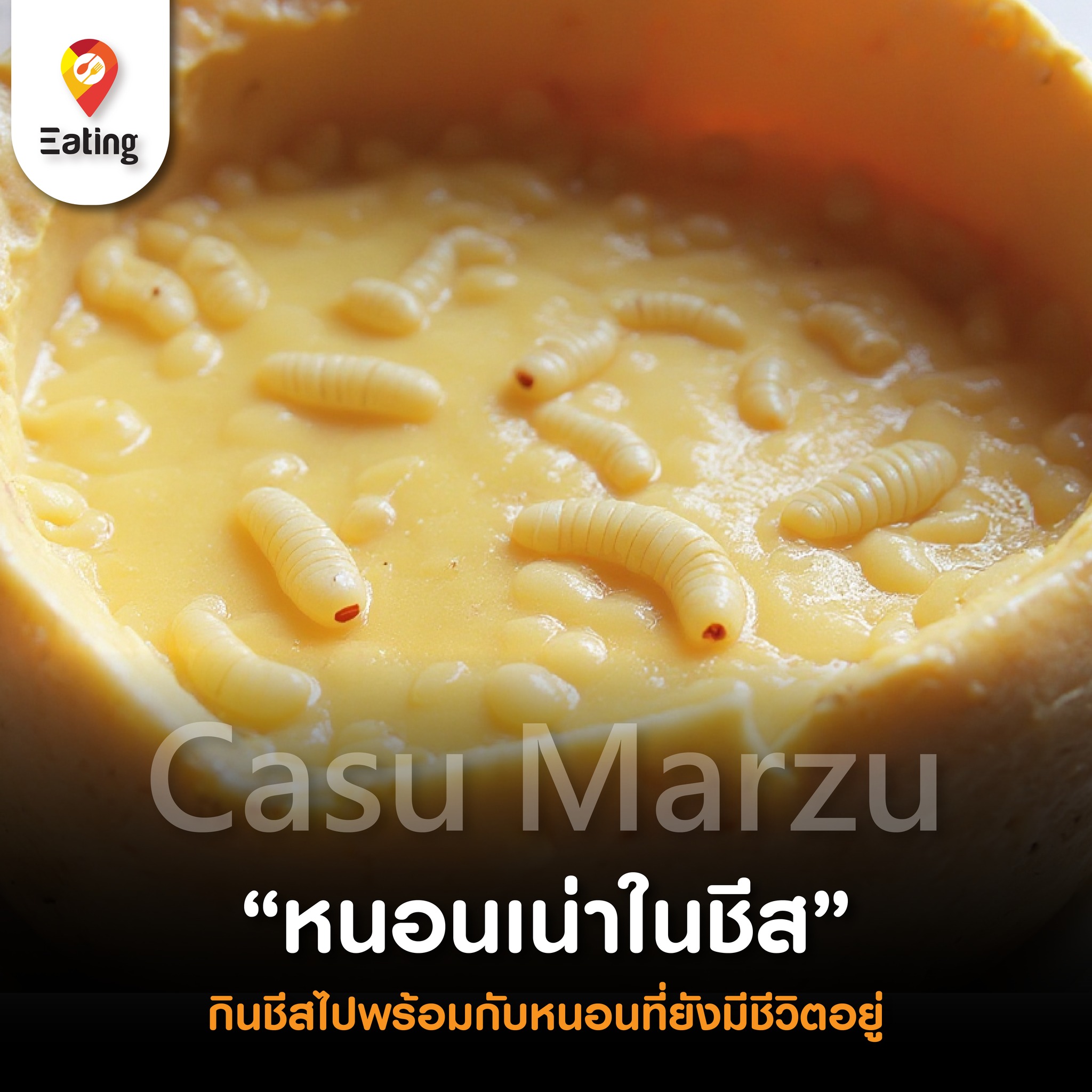
“หนอนเน่าในชีส”(Casu Marzu)
กินชีสไปพร้อมกับหนอนที่ยังมีชีวิตอยู่
ชีสหนอน หรือที่คนอิตาลีเรียกว่า “คาซู มาร์ซู” (Casu Marzu) เป็นหนึ่งในอาหารที่ทั้งขึ้นชื่อและฉาวโฉ่ที่สุดของเกาะซาร์ดิเนีย ประเทศอิตาลี ชื่อของมันแปลตรงตัวว่า “ชีสเน่า” หรือ “ชีสที่บูด” และความพิเศษก็คือ ชีสชนิดนี้เต็มไปด้วยตัวอ่อนของแมลงวันชีสที่ยังมีชีวิตอยู่จริงๆ ฟังดูน่าขนลุก แต่ในวัฒนธรรมดั้งเดิมของซาร์ดิเนีย นี่ถือเป็นอาหารท้องถิ่นที่หรูหราและมีเรื่องเล่าความเชื่อเก่าแก่สืบต่อกันมา
.
คาซู มาร์ซูทำมาจากนมแกะ เริ่มต้นก็เหมือนชีสเพโคริโนธรรมดา (Pecorino) แต่ความแตกต่างคือ คนทำจะปล่อยให้แมลงวันชีสชนิดหนึ่งมาวางไข่บนชีส จากนั้นตัวอ่อนก็จะฟักออกมาแล้วเริ่มกัดกินและย่อยสลายชีส เนื้อชีสจึงนิ่มขึ้นจนแทบจะไหลเยิ้ม รสชาติเข้มข้น มีกลิ่นแรง และเผ็ดร้อนในปาก ความเผ็ดนั้นไม่ได้มาจากพริกหรือเครื่องเทศ แต่เกิดจากปฏิกิริยาทางเคมีในนมที่ถูกย่อยโดยตัวอ่อน แม้หลายคนจะมองว่าเป็นสิ่งที่น่าขยะแขยง แต่สำหรับคนซาร์ดิเนียบางกลุ่มนี่คือความอร่อยแบบดั้งเดิมที่หากินยาก
.
ที่น่าทึ่งคือ ในชีสเพียง 1 กิโลกรัม อาจมีตัวอ่อนอยู่มากถึงราว 40,000 ตัว ซึ่งทั้งหมดมีชีวิตและเคลื่อนไหวอยู่จริงๆ การบ่มชีสใช้เวลาประมาณ 3–6 เดือน ขึ้นอยู่กับขนาดของก้อนชีสและสภาพอากาศ เมื่อถึงเวลาที่เหมาะสม เนื้อชีสจะนิ่มจนแทบไหลเยิ้ม มีกลิ่นแรงเฉพาะตัวและรสเผ็ดซ่า จนถูกยกให้เป็น “ชีสที่รสชาติจัดที่สุดในโลก”
.
วิธีกินคาซู มาร์ซูก็ไม่ธรรมดา ผู้คนมักจะกินชีสไปพร้อมกับหนอนที่ยังมีชีวิตอยู่ หนอนพวกนี้สามารถกระโดดได้ไกลถึง 15 เซนติเมตร ทำให้เวลาเปิดชีสออกมามักต้องใช้มือปิดหน้าหรือสวมแว่นป้องกันเลยทีเดียว บางคนเลือกกินพร้อมหนอน เพราะเชื่อว่าหากหนอนยังมีชีวิตอยู่ แสดงว่าชีสยังสดใหม่ แต่บางคนก็เลือกเอาหนอนออกก่อน โดยการใส่ชีสไว้ในถุงปิดสนิทจนหนอนตาย จากนั้นค่อยนำมากิน
.
คาซู มาร์ซูมีทั้งเสน่ห์และปัญหาในเวลาเดียวกัน เพราะองค์การอาหารยุโรปเคยประกาศห้ามขายชีสชนิดนี้ด้วยเหตุผลด้านสุขอนามัย แต่ถึงอย่างนั้น ชาวซาร์ดิเนียก็ยังแอบทำและกินกันอยู่ในครัวเรือน เพราะนี่คือสัญลักษณ์ของวัฒนธรรมและภูมิปัญญาพื้นบ้านที่บ่งบอกความเป็น “รสชาติแห่งบ้านเกิด” ที่ไม่เหมือนใคร หลายครั้งนักท่องเที่ยวต่างชาติยังพยายามเสาะหามาลองชิม แม้จะต้องลักลอบหาจากตลาดมืดก็ตาม
Maggot Cheese, known in Italy as Casu Marzu, is one of the most famous—and infamous—foods of Sardinia, Italy. Its name literally means “rotten cheese” or “spoiled cheese.” What makes it extraordinary is that this cheese is filled with the live larvae of cheese flies. It may sound disturbing, but in Sardinian tradition this is considered a luxurious local delicacy with old beliefs and stories passed down through generations.
Casu Marzu is made from sheep’s milk, starting out as an ordinary Pecorino cheese. The difference is that the makers deliberately allow a certain type of cheese fly to lay eggs on the cheese. Once hatched, the larvae begin to eat and break down the cheese, making its texture so soft it almost oozes. The flavor is strong, pungent, and spicy on the tongue—not from chili or spices, but from chemical reactions in the milk caused by the larvae’s digestion. While many people find it disgusting, for some Sardinians it is a traditional, rare delicacy.
Amazingly, just one kilogram of this cheese can contain as many as 40,000 live larvae, all actively moving. The cheese is aged for around 3–6 months, depending on its size and the weather. When the time is right, the texture becomes creamy and runny, with a distinct pungent aroma and a sharp, fiery taste—earning it the title of “the world’s most extreme cheese.”
Eating Casu Marzu is also unusual. People often consume it along with the live maggots. Since the larvae can jump as far as 15 centimeters, opening the cheese usually requires shielding the face or wearing protective glasses. Some prefer eating it with the maggots alive, believing that this means the cheese is still fresh, while others let the maggots die first by sealing the cheese in an airtight bag before eating.
Casu Marzu carries both charm and controversy. The European Food Safety Authority once banned its sale due to hygiene concerns. Nevertheless, Sardinians continue to secretly produce and eat it at home, seeing it as a symbol of their culture and heritage—a true “taste of home.” Many foreign tourists even go to great lengths to seek it out, sometimes having to buy it illegally on the black market just for a chance to try it.