Insider
New Experience
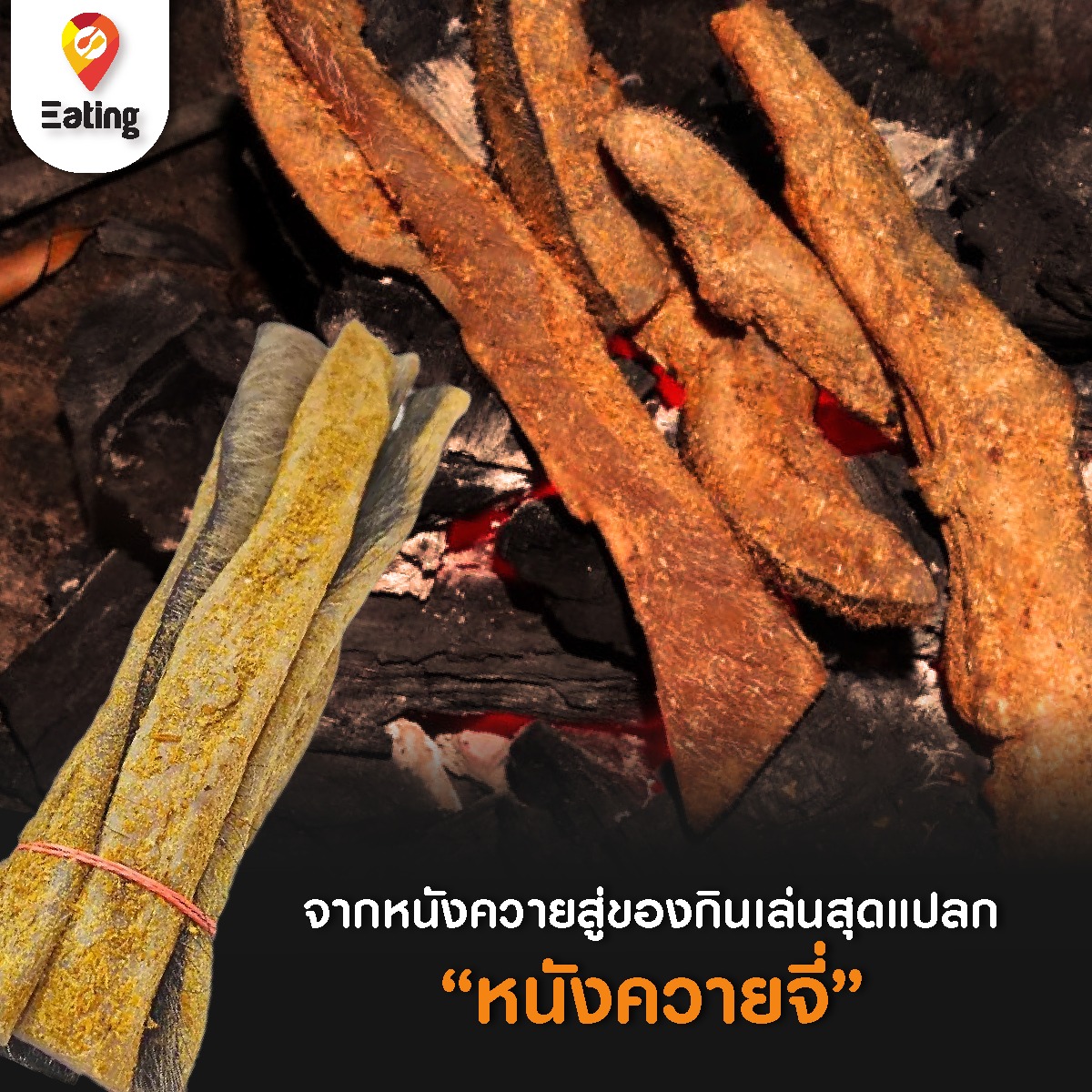
จากหนังควายสู่ของกินเล่นสุดแปลก
"หนังควายจี่"
“จากหนังควายสู่ของกินเล่นสุดแปลก เสน่ห์เยลลี่แห่งล้านนา”
“หนังควายจี่” หรือที่หลายคนเรียกขานกันด้วยความเอ็นดูว่า เยลลี่ของคนเหนือ เป็นอาหารพื้นบ้านที่มีทั้งเสน่ห์ ความดิบ และประวัติศาสตร์ซ่อนอยู่ในทุกชิ้น หนังควายที่หนา แข็ง และดูเหมือนจะไร้ค่าในสายตาคนทั่วไป ถูกคนเหนือโบราณพลิกแพลงให้กลายเป็นของกินเล่นที่มีเอกลักษณ์ที่สุดอย่างหนึ่งในวัฒนธรรมล้านนา
ในอดีต ชาวเหนือเลี้ยงควายไว้เพื่อไถนาและเป็นแรงงานสำคัญในครัวเรือน เมื่อถึงคราวต้องฆ่าควายเพื่อบริโภคหรือทำพิธีกรรม คนโบราณยึดถือความเชื่อเรื่องการเคารพสัตว์ผู้เสียสละ พวกเขาจะไม่นำส่วนใดของควายไปทิ้งเปล่า แม้แต่หนังหนาหยาบที่เคี้ยวยากก็ยังหาวิธีแปรรูปมาใช้ประโยชน์ หนังควายจี่จึงถือกำเนิดขึ้นจากภูมิปัญญาแห่งการ “ใช้ทุกอย่างให้คุ้มค่า” ที่บรรพบุรุษสืบทอดต่อกันมา
วิธีทำดั้งเดิมเริ่มจากการนำหนังควายไปเผาไฟเพื่อกำจัดขนและสิ่งสกปรก จากนั้นนำไปต้มเป็นเวลาหลายชั่วโมงจนหนังนุ่มกำลังดี แล้วจึงนำมาจี่หรือย่างบนไฟอ่อน ๆ จนหอมกรุ่น เวลากัดเข้าไปจะได้สัมผัสกรุบเด้ง หนึบหนับ เคี้ยวเพลิน รสสัมผัสนี้เองที่ทำให้มันถูกเปรียบเปรยว่าเป็น “เยลลี่ของคนเหนือ” เพราะมีความหนึบและเด้งคล้ายวุ้นหรือเยลลี่ แต่กลับมีกลิ่นหอมจากควันไฟและความดิบแบบบ้าน ๆ ที่เยลลี่แท้ ๆ ไม่มีวันให้ได้
นอกจากเป็นของกินเล่นแล้ว หนังควายจี่ยังเป็น “กับแกล้ม” ชั้นดีของคนโบราณ เวลานั่งล้อมวงจิบเหล้าพื้นบ้านก็มักมีหนังควายจี่เป็นตัวชูรสให้วงสนุกสนานยิ่งขึ้น อีกทั้งยังสะท้อนความสัมพันธ์ระหว่างคนกับธรรมชาติอย่างลึกซึ้ง หนังควายไม่เพียงถูกนำมาเป็นอาหาร แต่ยังเป็นส่วนประกอบในพิธีกรรม เช่น ใช้ทำกลองสะบัดชัย กลองปู่จา หรือเครื่องดนตรีพื้นเมืองที่มีเสียงก้องกังวาน สะท้อนความเชื่อว่าหนังควายเป็นสัญลักษณ์ของพลัง ความแข็งแรง และความศักดิ์สิทธิ์
แม้ในปัจจุบัน หนังควายจี่จะหากินยากขึ้นเพราะวิถีชีวิตเปลี่ยนไป การเลี้ยงควายลดลง และหนังควายเองก็หายาก แต่สำหรับคนที่เคยได้ลองรสสัมผัสเหนียวหนึบหอมกลิ่นย่างไฟนั้น จะไม่มีวันลืม เป็นทั้งรสชาติและเรื่องเล่าที่ฝังอยู่ในวัฒนธรรมการกินของคนเหนือมาหลายชั่วอายุคน
หนังควายจี่จึงไม่ใช่เพียงอาหารท้องถิ่น แต่คือสัญลักษณ์แห่งภูมิปัญญา การรู้คุณ และความเคารพต่อชีวิต เป็นการบอกเล่าเรื่องราวของอดีตผ่านรสชาติที่ไม่เหมือนใคร หากวันหนึ่งคุณได้ไปเยือนเมืองเหนือแล้วเจอหนังควายจี่ในตลาดพื้นบ้าน ลองกัดสักคำแล้วจะเข้าใจว่า “เยลลี่ของคนเหนือ” นั้นไม่ใช่แค่ชื่อเล่น แต่คือความทรงจำและวัฒนธรรมที่ยังคงหอมกรุ่นมาจนถึงวันนี้
“From Buffalo Hide to a Curious Snack: The Charm of Lanna’s Jelly”
“Buffalo Hide Jerky,” affectionately nicknamed “Northern Jelly” by locals, is a traditional snack that carries with it charm, rawness, and history in every bite. What may seem like tough, inedible, and worthless buffalo hide in the eyes of many was once ingeniously transformed by the Lanna people into one of the most unique delicacies in their culinary heritage.
In the past, water buffaloes were indispensable to northern households, serving as draft animals in rice fields. When the time came for a buffalo to be slaughtered—whether for food or ritual purposes—ancient traditions emphasized respect for the animal’s sacrifice. Every part was put to use, and nothing was wasted. Even the thick, coarse hide, notoriously difficult to chew, was given new life through resourceful cooking methods. Thus, buffalo hide jerky was born, embodying the ancestral wisdom of “making use of everything to its fullest.”
The traditional preparation begins by singeing the hide over fire to remove hair and impurities. It is then simmered for hours until tender, before being slowly grilled over a gentle flame. The result is a smoky, aromatic strip of hide that, when bitten, offers a chewy, bouncy texture—slightly elastic, somewhat resistant, and delightfully addictive. This distinctive mouthfeel is precisely why it earned the playful moniker “Northern Jelly,” reminiscent of gelatin or jelly candies, but with a rustic smokiness that no confection can ever replicate.
Beyond being a casual snack, buffalo hide jerky also served as a prized drinking companion for locals. When villagers gathered to share homemade liquor, this chewy treat added depth to the merriment. Its significance, however, went beyond the dining table. Buffalo hide was also integral to spiritual and cultural practices—used to make traditional drums such as the Sabatchai and Pooja drums, whose deep, resonant sounds embodied strength and sacredness. In this sense, buffalo hide symbolized power, vitality, and a spiritual bond with nature.
Today, buffalo hide jerky has become increasingly rare. Modern lifestyles, fewer working buffaloes, and the scarcity of hides mean that this once-common treat is now harder to find. Yet, for those who have tasted it, the memory of its smoky aroma and unique chewiness lingers on, preserved as both a flavor and a cultural tale passed down through generations.
Buffalo hide jerky, then, is more than just food. It is a living symbol of ingenuity, gratitude, and reverence for life. Each bite tells the story of a people who honored every resource available to them. So if you ever find yourself wandering through a northern Thai market and spot buffalo hide jerky for sale, take a bite—you’ll discover why “Northern Jelly” is more than a nickname. It is a flavor of memory, tradition, and enduring heritage that continues to resonate even today.