Loading...
Insider
New Experience
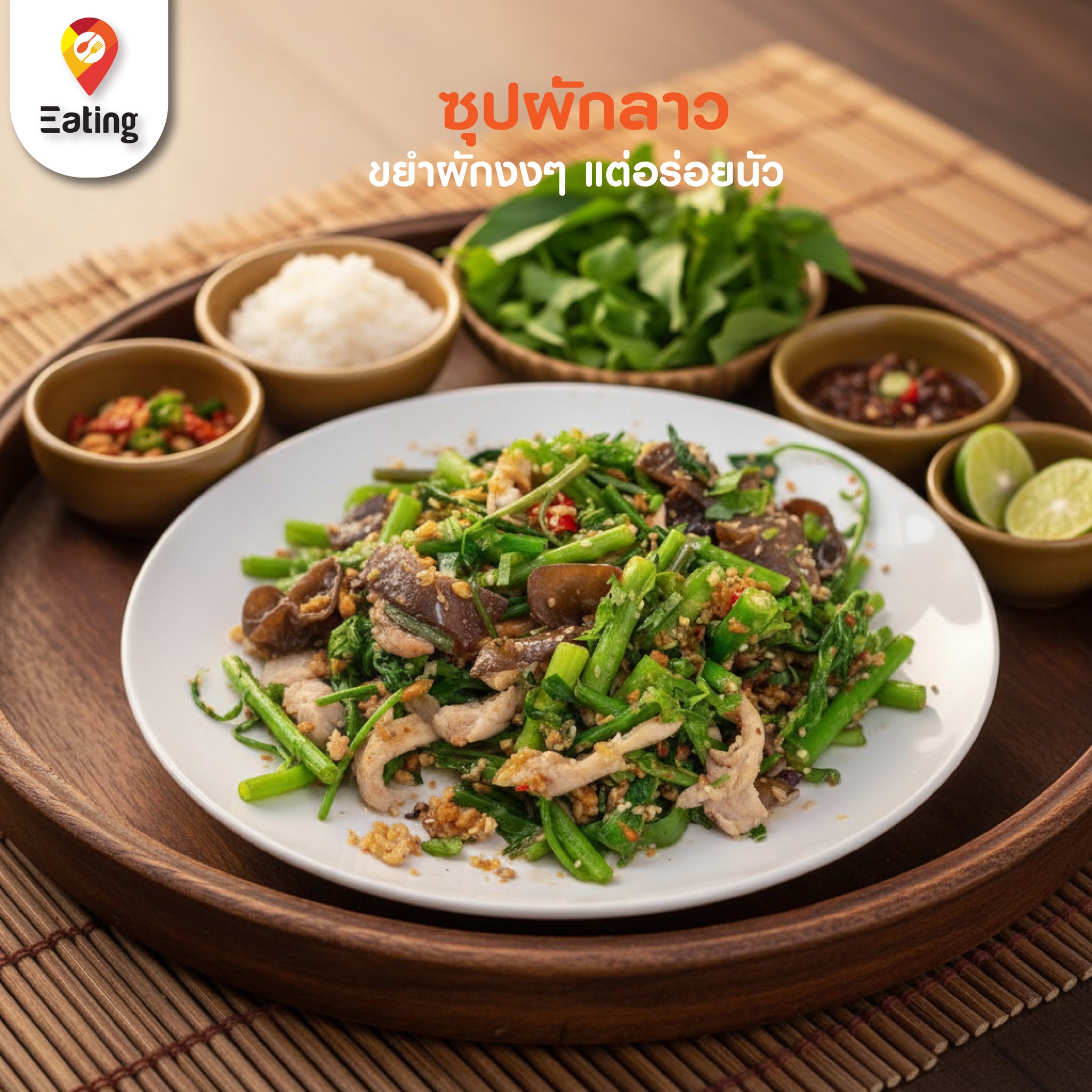
ซุปผักลาว ขยำผักงงๆ แต่อร่อยนัว
อร่อยจริงหรือตามกระแสฟู๊ดบล็อกเกอร์ !
ซุปผักลาวหรือซุบผักคือหนึ่งในเมนูพื้นบ้านที่สะท้อนรากเหง้าความเป็นลาว–อีสานได้ชัดที่สุด อาหารจานนี้มีต้นกำเนิดจากวิถีชีวิตเรียบง่ายของผู้คนลุ่มน้ำโขงที่พึ่งพาผักตามฤดูกาลและของที่หาได้ในท้องถิ่นมาตั้งแต่โบราณ
.
สมัยก่อนในครัวเรือนลาวนิยมลวกผักที่ปลูกเองแล้วคลุกกับเครื่องตำพื้นฐานอย่างพริก หอม ข้าวคั่ว และปลาร้าต้มเพื่อเพิ่มกลิ่นและความนัว เป็นอาหารที่เกิดจากภูมิปัญญาการถนอมอาหารและการใช้วัตถุดิบราคาย่อมเยาแบบบ้านๆ
.
ต่อมาเมื่อผู้คนอีสานเคลื่อนย้ายแรงงานเข้าสู่เมืองใหญ่ในช่วงทศวรรษ 2520–2530 อาหารอีสานจำนวนมากจึงเดินทางเข้ามาอยู่ในชีวิตประจำวันของคนไทยทั่วประเทศ ร้านส้มตำและลาบเปิดตัวในทุกหัวมุมเมือง เมนูคู่เคียงอย่างซุปผักลาวซึ่งเดิมเป็นอาหารในครัวเรือนก็ถูกนำมาประยุกต์ให้เข้ากับร้านอาหารยุคใหม่
.
ด้วยรสเปรี้ยว–เผ็ด–นัวจากปลาร้าและมะกอกอีสานทำให้เมนูนี้โดดเด่นและต่างจากยำทั่วไปอย่างชัดเจน ความนิยมจึงเพิ่มขึ้นเรื่อยๆ ยิ่งกระแสอาหารท้องถิ่นและอาหารสุขภาพเริ่มได้รับความสนใจในช่วงสิบกว่าปีที่ผ่านมา ซุปผักลาวก็ยิ่งกลายเป็นเมนูที่ตอบโจทย์
.
เพราะใช้ผักหลากชนิด แคลอรีต่ำ ย่อยง่าย และมีรสชาติจัดจ้านกำลังดี ในหลายร้านจึงเริ่มเห็นการใส่ผักพื้นบ้าน เช่น ยอดฟักทอง ชะอม หรือผักชีฝรั่ง เพื่อเพิ่มประโยชน์และความอร่อยที่หลากหลาย สะท้อนให้เห็นว่าความเรียบง่ายแบบบ้านๆ หากอร่อยจริงและมีเสน่ห์ในตัวเอง ก็สามารถก้าวขึ้นมาเป็นอาหารฮิตที่ใครๆ ต่างก็ติดใจได้ไม่ยาก
ซุปผักลาวหรือซุบผักคือหนึ่งในเมนูพื้นบ้านที่สะท้อนรากเหง้าความเป็นลาว–อีสานได้ชัดที่สุด อาหารจานนี้มีต้นกำเนิดจากวิถีชีวิตเรียบง่ายของผู้คนลุ่มน้ำโขงที่พึ่งพาผักตามฤดูกาลและของที่หาได้ในท้องถิ่นมาตั้งแต่โบราณ
.
สมัยก่อนในครัวเรือนลาวนิยมลวกผักที่ปลูกเองแล้วคลุกกับเครื่องตำพื้นฐานอย่างพริก หอม ข้าวคั่ว และปลาร้าต้มเพื่อเพิ่มกลิ่นและความนัว เป็นอาหารที่เกิดจากภูมิปัญญาการถนอมอาหารและการใช้วัตถุดิบราคาย่อมเยาแบบบ้านๆ
.
ต่อมาเมื่อผู้คนอีสานเคลื่อนย้ายแรงงานเข้าสู่เมืองใหญ่ในช่วงทศวรรษ 2520–2530 อาหารอีสานจำนวนมากจึงเดินทางเข้ามาอยู่ในชีวิตประจำวันของคนไทยทั่วประเทศ ร้านส้มตำและลาบเปิดตัวในทุกหัวมุมเมือง เมนูคู่เคียงอย่างซุปผักลาวซึ่งเดิมเป็นอาหารในครัวเรือนก็ถูกนำมาประยุกต์ให้เข้ากับร้านอาหารยุคใหม่
.
ด้วยรสเปรี้ยว–เผ็ด–นัวจากปลาร้าและมะกอกอีสานทำให้เมนูนี้โดดเด่นและต่างจากยำทั่วไปอย่างชัดเจน ความนิยมจึงเพิ่มขึ้นเรื่อยๆ ยิ่งกระแสอาหารท้องถิ่นและอาหารสุขภาพเริ่มได้รับความสนใจในช่วงสิบกว่าปีที่ผ่านมา ซุปผักลาวก็ยิ่งกลายเป็นเมนูที่ตอบโจทย์
.
เพราะใช้ผักหลากชนิด แคลอรีต่ำ ย่อยง่าย และมีรสชาติจัดจ้านกำลังดี ในหลายร้านจึงเริ่มเห็นการใส่ผักพื้นบ้าน เช่น ยอดฟักทอง ชะอม หรือผักชีฝรั่ง เพื่อเพิ่มประโยชน์และความอร่อยที่หลากหลาย สะท้อนให้เห็นว่าความเรียบง่ายแบบบ้านๆ หากอร่อยจริงและมีเสน่ห์ในตัวเอง ก็สามารถก้าวขึ้นมาเป็นอาหารฮิตที่ใครๆ ต่างก็ติดใจได้ไม่ยาก
.
Delicious on its own, or just another trend fueled by food vloggers? Sup Pak Lao, also known as sub pak, is one of the most authentic traditional dishes that best reflects the cultural roots of Lao–Isan cuisine. This dish traces its origins to the simple way of life along the Mekong River, where people relied on seasonal vegetables and ingredients gathered from their natural surroundings since ancient times. In the past, Lao households would typically blanch homegrown vegetables and mix them with basic pounded ingredients such as chilies, shallots, toasted rice, and boiled fermented fish sauce to add aroma and savory depth. It is a dish born from the wisdom of food preservation and the resourceful use of modest, inexpensive ingredients.
.
As Isan people migrated to major cities during the 1970s–1980s, many Isan dishes made their way into the daily lives of Thai people across the country. Som tam and larb shops appeared on every corner, and once-household dishes like Sup Pak Lao were adapted to suit the modern restaurant scene. With its distinct sour–spicy–umami profile from fermented fish and Isan olives, the dish stood out clearly from typical salads, steadily gaining attention and popularity.
.
Over the past decade, as local cuisine and health-conscious eating trends grew stronger, Sup Pak Lao became even more relevant. Made with a variety of vegetables, low in calories, easy to digest, and boldly flavorful, it fits perfectly with modern food preferences. Many restaurants also began adding local vegetables such as pumpkin shoots, cha-om, or sawtooth coriander to enhance nutrition and create more flavor variety.
.
This all reflects a simple truth: even the most rustic, home-style dishes—when truly delicious and full of charm—can rise to become nationwide favorites. Whether boosted by the craze of food vloggers or beloved for its authentic taste, Sup Pak Lao proves that humble traditional dishes can shine brightly in today’s culinary world.
.
As Isan people migrated to major cities during the 1970s–1980s, many Isan dishes made their way into the daily lives of Thai people across the country. Som tam and larb shops appeared on every corner, and once-household dishes like Sup Pak Lao were adapted to suit the modern restaurant scene. With its distinct sour–spicy–umami profile from fermented fish and Isan olives, the dish stood out clearly from typical salads, steadily gaining attention and popularity.
.
Over the past decade, as local cuisine and health-conscious eating trends grew stronger, Sup Pak Lao became even more relevant. Made with a variety of vegetables, low in calories, easy to digest, and boldly flavorful, it fits perfectly with modern food preferences. Many restaurants also began adding local vegetables such as pumpkin shoots, cha-om, or sawtooth coriander to enhance nutrition and create more flavor variety.
.
This all reflects a simple truth: even the most rustic, home-style dishes—when truly delicious and full of charm—can rise to become nationwide favorites. Whether boosted by the craze of food vloggers or beloved for its authentic taste, Sup Pak Lao proves that humble traditional dishes can shine brightly in today’s culinary world.