Loading...
Insider
New Experience
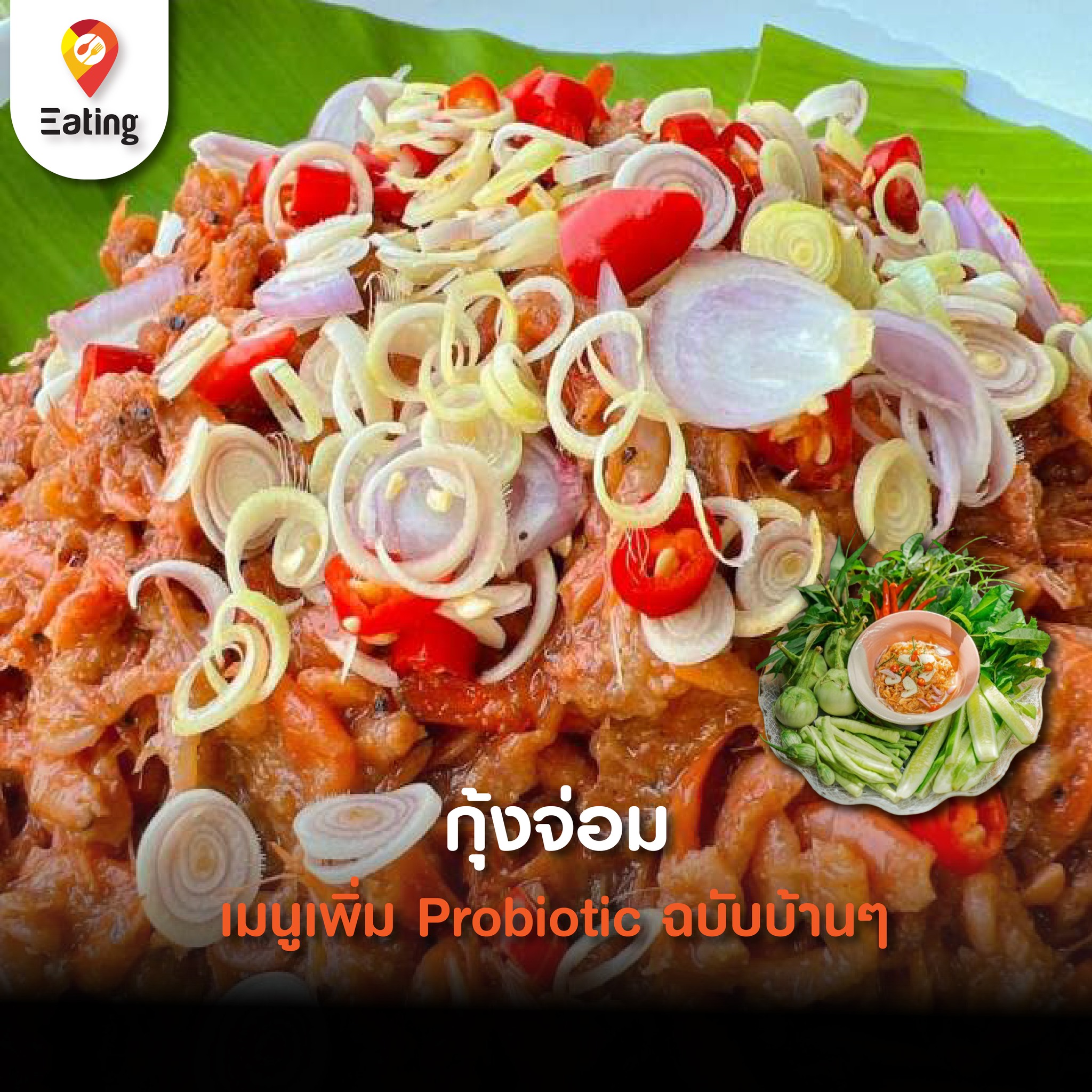
กุ้งจ่อม เมนูเพิ่ม Probiotic ฉบับบ้านๆ
 ถ้าให้ฝรั่งชิม “กุ้งจ่อม” เขาจะว่าไง?
 ถ้าให้ฝรั่งชิม “กุ้งจ่อม” คำแรกที่หลายคนอาจพูดคือ “It smells strong!” เพราะกลิ่นหมักเฉพาะตัวของกุ้งฝอยที่คลุกเกลือและข้าวคั่วแล้วปล่อยให้จุลินทรีย์ธรรมชาติทำงานนั้นไม่ใช่กลิ่นที่คุ้นเคยสำหรับคนที่โตมากับอาหารตะวันตก แต่พอได้ลองคำแรก หลายคนกลับนิ่งไปสักครู่ก่อนจะพยักหน้าเบา ๆ
.
เพราะรสชาติเปรี้ยวเค็มลึก ๆ แบบอูมามิทำให้พวกเขานึกถึงอาหารหมักในวัฒนธรรมของตัวเอง โลกของอาหารหมักไม่ได้มีแค่ปลาร้าหรือกุ้งจ่อมของอีสาน หากมองไปที่เกาหลีจะพบกับ Kimchi ผักกาดดองรสจัดที่ครั้งหนึ่งเคยถูกมองว่ากลิ่นแรงเกินไปสำหรับชาวต่างชาติ แต่วันนี้กลับกลายเป็นซูเปอร์ฟู้ดระดับโลก ญี่ปุ่นมี Natto ถั่วหมักเนื้อเหนียวหนืดที่แม้แต่คนญี่ปุ่นบางคนยังไม่ชอบ
.
แต่ต่างชาติสายสุขภาพกลับยอมเปิดใจเพราะเชื่อในคุณค่าของจุลินทรีย์ดี ส่วนยุโรปก็มีซาวเคราท์หรือชีสบางชนิดที่ผ่านการบ่มจนมีกลิ่นฉุนเช่นกัน เมื่อเทียบกันแล้วกุ้งจ่อมก็เป็นเพียงอีกหนึ่งบทของเรื่องเล่าเดียวกัน นั่นคือภูมิปัญญาการถนอมอาหารของมนุษย์ก่อนยุคตู้เย็น ชาวลุ่มแม่น้ำโขงจับกุ้งฝอยได้มากในฤดูกาลหนึ่งกินไม่หมดก็ต้องหมักเก็บไว้ รสเปรี้ยวที่เกิดขึ้นไม่ใช่ความบังเอิญแต่คือกระบวนการธรรมชาติที่ช่วยยืดอายุอาหาร
.
และโดยไม่รู้ตัวก็สร้างเอกลักษณ์ทางรสชาติที่สืบทอดกันมาหลายชั่วคน ทุกวันนี้โลกกำลังให้ความสนใจกับคำว่า fermented food และ probiotic มากขึ้น ร้านอาหารไฟน์ไดนิ่งหลายแห่งหยิบเทคนิคการหมักแบบดั้งเดิมมาสร้างสรรค์เมนูใหม่ ๆ ดังนั้นหากฝรั่งคนหนึ่งจะชิมกุ้งจ่อมแล้วทำหน้าประหลาดใจในคำแรก
.
ก็อาจไม่ต่างจากเราที่เคยทำหน้าสงสัยตอนเห็นนัตโตะครั้งแรก เพราะท้ายที่สุดแล้วรสชาติคือเรื่องของความคุ้นเคย และทุกวัฒนธรรมต่างก็มี “กลิ่นแรงประจำบ้าน” ของตัวเอง กุ้งจ่อมจึงไม่ใช่อาหารแปลกประหลาด แต่คือหลักฐานว่าครัวอีสานยืนอยู่บนเวทีเดียวกับครัวโลก เพียงแค่เรายังไม่เคยเล่าเรื่องมันในภาษาสากลเท่านั้นเอง
.
If You Let a Foreigner Taste “Kung Jom,” What Would They Say?If you let a foreigner taste Kung Jom, the first reaction might be, “It smells strong!” The distinctive aroma of tiny freshwater shrimp fermented with salt and toasted rice isn’t something most Western palates grow up with. Yet after the first bite, there’s often a pause — then a slow nod. The deep sour-salty flavor packed with umami feels strangely familiar, reminding them of fermented foods from their own cultures. The world of fermentation doesn’t belong to one region. In Korea, there is Kimchi, once considered too pungent for outsiders but now celebrated globally as a superfood. In Japan, Natto — sticky, stringy fermented soybeans — divides even locals, yet attracts health-conscious eaters worldwide for its beneficial bacteria. Across Europe, sauerkraut and aged cheeses carry bold aromas developed through careful fermentation. Compared to these, Kung Jom is simply another chapter in the universal human story of preservation before refrigeration. Along the Mekong River, communities once caught more tiny shrimp than they could consume in a day, so fermentation became a practical solution. The sourness that develops is not accidental; it’s a natural microbial process that extends shelf life while creating a distinctive flavor passed down for generations. Today, the global culinary scene is fascinated with fermented food and probiotics. Fine-dining restaurants experiment with traditional fermentation techniques to craft modern dishes. So when a foreigner raises an eyebrow at Kung Jom’s aroma, it’s no different from the curiosity many of us felt the first time we encountered natto. Taste is deeply tied to familiarity. Every culture has its own “strong-smelling treasure.” Kung Jom is not strange — it is proof that Isan cuisine stands confidently on the same global stage. Perhaps we simply haven’t told its story in an international language yet.